Worthington Ohio Home Prices in 2026: Why the Numbers Split
August 27, 2026
August 27, 2026
Over the three months ending May 2026, the median sale price in Worthington climbed to $505,000, up 17.1 percent from the same stretch a year earlier. That sounds like a market getting more expensive across the board. But look one line down in the same report and the median price per square foot actually fell to $264, down 6.0 percent year over year.
Same city. Same three-month window. Two numbers moving in opposite directions.
Median price up 17 percent. Price per square foot down 6 percent. That's not a typo. It's a mix shift, and it changes how you should read every "Worthington" listing you're comparing.
That gap isn't a data error and it isn't inflation cooling off mid-sentence. It's what happens when the homes driving the median price higher aren't the same homes setting the per-square-foot benchmark. A buyer treating Worthington as one market, priced by one number, is actually comparing two structurally different pockets of housing stock that happen to share a mailing address.
Worthington's overall pace backs this up. Homes sold in an average of 26 days in that same reporting window, down from 33 days a year earlier. A market that's both getting more expensive per foot and slowing down would tell one story. A market getting cheaper per foot while selling faster tells a different one: something in the mix changed, not just the price tag.
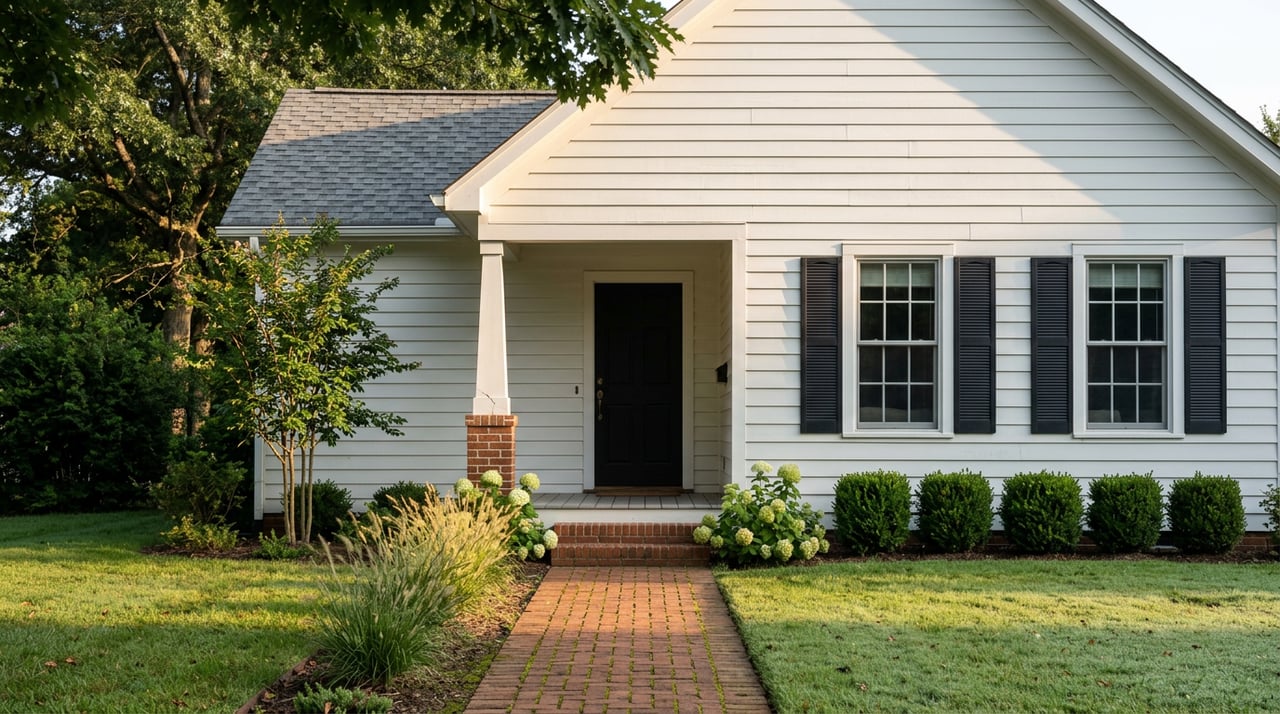
The likely explanation is straightforward once you separate the geography. Worthington's compact, walkable core, generally known as Old Worthington, is made up of smaller lots and older homes close to High Street. Selling fast and holding a high price per square foot is exactly what you'd expect from limited, in-demand inventory in a tight footprint. Meanwhile, larger and newer-built homes on bigger lots elsewhere in the broader Worthington market pull the median dollar amount up simply because they're bigger houses, even while their per-foot economics look softer by comparison.
Put those two dynamics into one citywide average and you get exactly what the data shows: a median price that looks like broad appreciation, riding on top of a per-square-foot figure that says the opposite.
The clearest example of this split sits just outside the city's own boundary. Worthington Hills, the golf-adjacent neighborhood built around larger, custom-style lots, is technically part of the City of Columbus even though its homes are zoned to Worthington City Schools. Because of that jurisdiction line, real estate data providers track it separately from the City of Worthington's own housing figures, which is part of why the numbers diverge so sharply when you place them side by side.
| Market | Reporting window | Price benchmark | Price per square foot | YoY change (per sq ft) | Jurisdiction |
|---|---|---|---|---|---|
| Worthington (citywide) | 3 months ending May 2026 | $505,000 median sale price | $264 | -6.0% | City of Worthington |
| Worthington Hills | June 2026 | $684,000 median list price | $226 | -2% | City of Columbus, Worthington City Schools |
Worthington Hills homes cost more in absolute dollars and offer more square footage for that price. Old Worthington's compact housing stock, folded into the citywide figure, carries a higher cost per foot because there's simply less of it to go around inside a walkable boundary that isn't getting any bigger. A buyer who searches "Worthington homes for sale" and sees both types of listings mixed together is looking at two different value propositions dressed up as one neighborhood.
Another detail for buyers to consider in the historic core is the review process for certain changes after closing.
The board typically meets the second and fourth Thursday of the month. Worthington City Code requires at least four votes in favor for approval, and once a certificate is granted it's only valid for eighteen months before the project needs to be underway or the approval lapses.
This isn't a dormant rule sitting unused in the code book. At a single meeting on March 26, 2026, the board took up a request from Worthington Presbyterian Church at 773 High Street for directional signage and awnings, a request for new sign faces at the former Worthington Motor Lodge on East Wilson Bridge Road, and a conditional use permit for a coffee bar planned by Sullivan Builders at 661 High Street. These are active, current cases moving through a real public process this year, not archived examples.
The same review path applies to homeowners, not just commercial storefronts. The historic district's boundary runs through streets like Oxford Street, Short Street, and both stretches of Stafford Avenue.
That review layer is worth understanding when considering a fixer in the historic core. It can affect plans for additions and project timing. It is one factor to consider when comparing compact Old Worthington homes with bigger houses elsewhere in town.
A few practical takeaways follow directly from this split:
None of this means one part of Worthington is a better buy than another. It means the median price you see on a portal search is an average of two different products, and the right comparison depends on which product you're actually trying to buy.
Why does Worthington Hills show up as a Columbus neighborhood in some market reports? Worthington Hills sits inside Columbus city limits even though its homes are zoned to Worthington City Schools. Because of that jurisdiction split, several real estate data providers track it separately from the City of Worthington's own citywide housing statistics, which is why its price and inventory trends can look different from the numbers reported for "Worthington" as a whole.
If you're trying to figure out which side of that line a specific address falls on, or what a Certificate of Appropriateness timeline would mean for a house you're considering, Gibson Group can walk through the parcel-level details with you before you write an offer. Talk with a local agent who already knows which streets sit inside the boundary.
This article is general information, not legal, tax or financial advice. Consult a qualified professional about your situation.
Stay up to date on the latest real estate trends.
Work with a dedicated team committed to delivering exceptional results. We provide trusted guidance, clear communication, and a tailored experience from start to finish.
GIBSON GRP
545 Metro Pl S, #100 Dublin, OH 43017 REAL