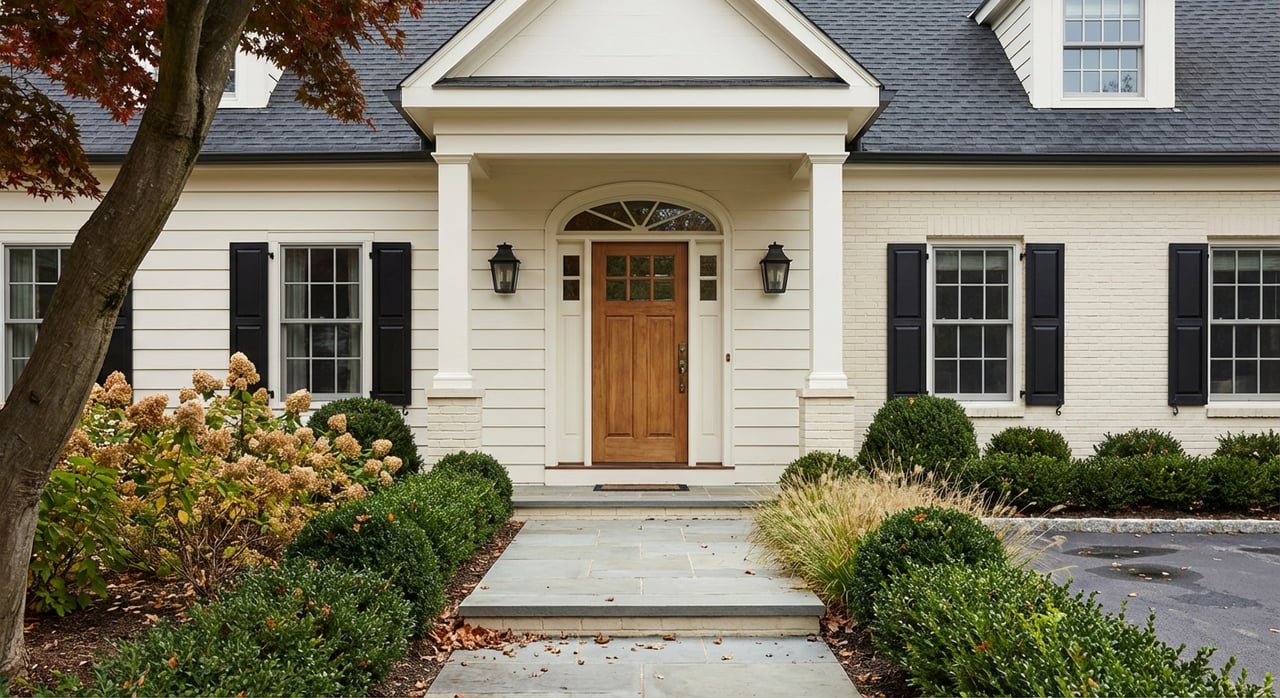
Buying A Home In Powell: Strategies To Stand Out In Competition
February 26, 2026
February 26, 2026
You found a home you love in Powell and you want your offer to rise to the top. The challenge is real: desirable homes can still draw multiple offers, and small details often decide who wins. You deserve a clear plan you can trust. In this guide, you’ll learn the exact pricing, financing, and contract tactics that help you stand out in Powell and greater Delaware County. Let’s dive in.
Powell remains a high-demand suburban market with mid-to-upper price points. As of January 2026, Redfin reported a median sale price near $575,962, while Zillow’s index placed typical values around $554,456. Realtor.com’s snapshot for 43065 showed a median near $539,900. These feeds differ by method, but they all confirm a steady, somewhat competitive market.
Speed varies by property type. Condos in Powell moved especially fast in 2025, while single-family homes saw mixed timelines by neighborhood and price tier. In other words, expect quick action on updated, well-priced listings and wider spreads for larger detached homes.
Delaware County context matters too. Countywide, the median sale price hovered near $525,000 with a median of roughly 71 days on market in late 2025. Inventory rose year over year, so buyers often have a bit more leverage than during the 2021–2022 peak. Multiple offers still happen on sharp listings, but they are less universal than in the pandemic surge, and sellers continue to value certainty and clean terms. For more on why certainty wins in Central Ohio, see this Axios analysis of shifting contract dynamics.
Your top-line price should reflect recent comparable sales in the same Powell subdivision and price band. If a home appears underpriced against nearby comps, plan for stronger competition and adjust your ceiling accordingly. A clear, comp-driven offer beats guesswork.
A full preapproval is table stakes in Powell. Strengthen your file further with an underwriter-reviewed preapproval or conditional loan commitment. Sellers prefer offers that minimize financing risk. Learn why a preapproval carries more weight than a basic prequalification in this Bankrate explainer on preapproval vs. prequalification.
A meaningful earnest money deposit shows you are serious. A common starting range in many Ohio deals is 1–2 percent of the purchase price. Your agent will advise on local norms and what fits your situation.
If you bid above likely comps, include terms that reduce appraisal risk for the seller. Options include a capped appraisal-gap commitment, where you agree to bring up to a set dollar amount if the appraisal comes in short. Waiving the appraisal contingency is riskier and should be used only if you fully understand the cash exposure. For an overview of pros and cons, review this guide to appraisal contingencies and gaps.
Avoid waiving inspections outright. Instead, shorten the inspection window, pre-schedule your inspector for fast access, or cap repair requests to major safety or structural items. These approaches protect you while signaling predictability for the seller.
Escalation clauses can help if multiple offers are likely. Always set a firm cap and require clear proof of competing offers per the clause language. Some listing agents prefer a clean, no-escalation offer. Ask your agent what aligns with local practice for that property.
Non-price terms often break ties. If you can, match the seller’s preferred closing date, offer a short rent-back, or simplify small concessions. Your agent can find out what matters most to that seller so you can tailor the offer.
Go beyond basic preapproval. Some lenders will fully verify income, assets, and credit before you pick a property and issue a conditional commitment. This leaves only property-specific items like appraisal and title. Sellers see far less financing risk when this letter accompanies your offer.
If you are making a cash offer or covering an appraisal gap, attach a proof-of-funds letter or a redacted statement. Sellers often request this with the offer.
Shorter closings can win bids, but only if your lender can deliver. Coordinate rate locks, underwriting milestones, and appraisal scheduling early so your funding window matches the closing date you promise. For a refresher on mortgage steps and timing, check this Bankrate guide to getting a mortgage.
Ohio requires sellers to provide a Residential Property Disclosure Form. You should receive and review it early. If you sign a contract before getting the form, state law provides a rescission window. See the Ohio Administrative Code rule on the disclosure form for details.
In Ohio, brokers handle earnest money in trust or special accounts and must follow contract instructions. If there is a dispute about disbursement, state law outlines how funds are managed, including a two-year rule that can trigger interpleader or return. Review Ohio Revised Code 4735.24 and confirm in the contract who holds the funds and how notices work.
For homes built before 1978, federal law requires a lead-based paint disclosure and an EPA/HUD pamphlet, along with a window to conduct testing. Get familiar with the basics using this Nolo overview of Ohio seller disclosures and federal lead rules.
Earnest money is not always the limit of damages unless the contract clearly says so. Before agreeing to clauses that convert your earnest money to liquidated damages, ask your agent to walk you through the risk and consider legal advice.
Use this list so you can move quickly and confidently when the right home hits the market:
A local agent with current Powell comps can spot when a listing is underpriced and advise a competitive number that reflects actual activity, not just portal estimates. That guidance helps you avoid overbidding and keeps you in the mix when the home is hot.
Knowing which listing agents respond quickly, which inspectors can get onsite fast, and which title partners clear files efficiently can save days. In highest-and-best scenarios, speed and certainty often decide the winner.
Experienced agents write escalation language, appraisal-gap clauses, and inspection caps that are clear and enforceable. They also tailor non-price terms to the seller’s preferences without exposing you to unnecessary risk.
Your agent can ask the lender to call the listing agent, confirm file strength, and provide a conditional commitment. That extra assurance reduces perceived risk and can tip a tight decision your way.
If you want a focused game plan for Powell, we can map comps, set your top-line price and appraisal-gap cap, and assemble an offer package that signals certainty on day one. Talk with Michael Bradley Gibson to get started.
Stay up to date on the latest real estate trends.

Work with a dedicated team committed to delivering exceptional results. We provide trusted guidance, clear communication, and a tailored experience from start to finish.

GIBSON GRP
545 Metro Pl S, #100 Dublin, OH 43017 REAL