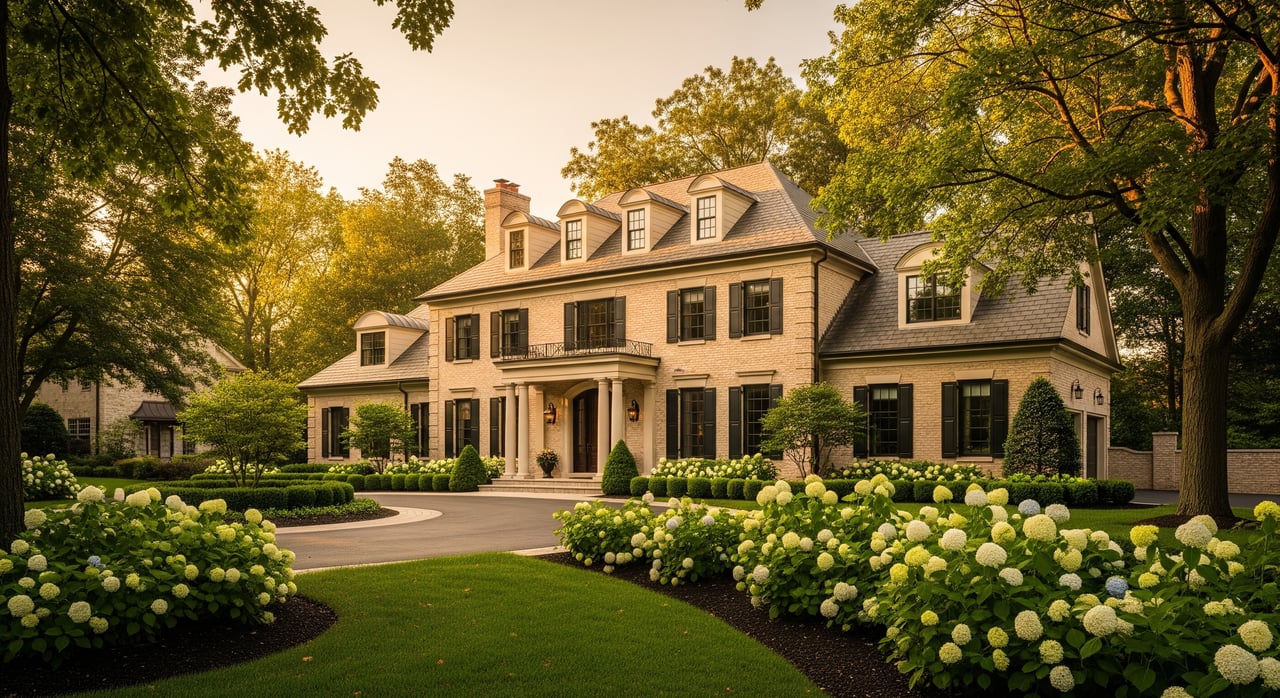
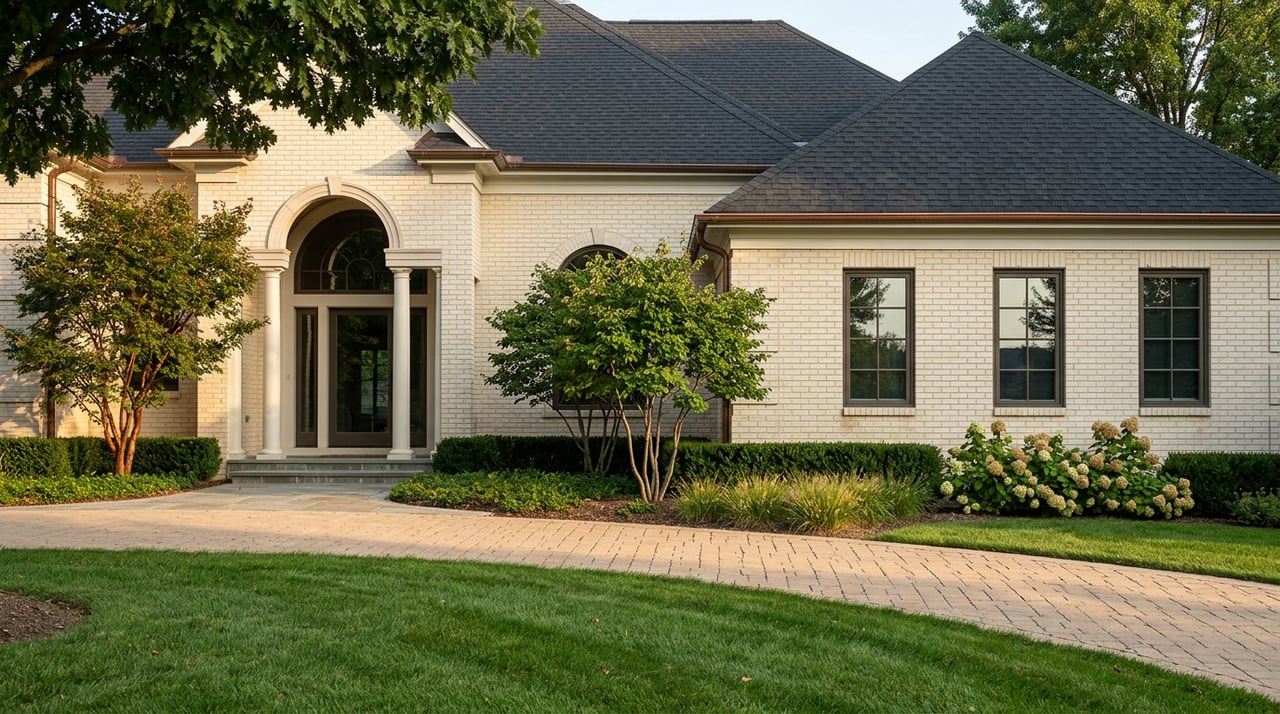
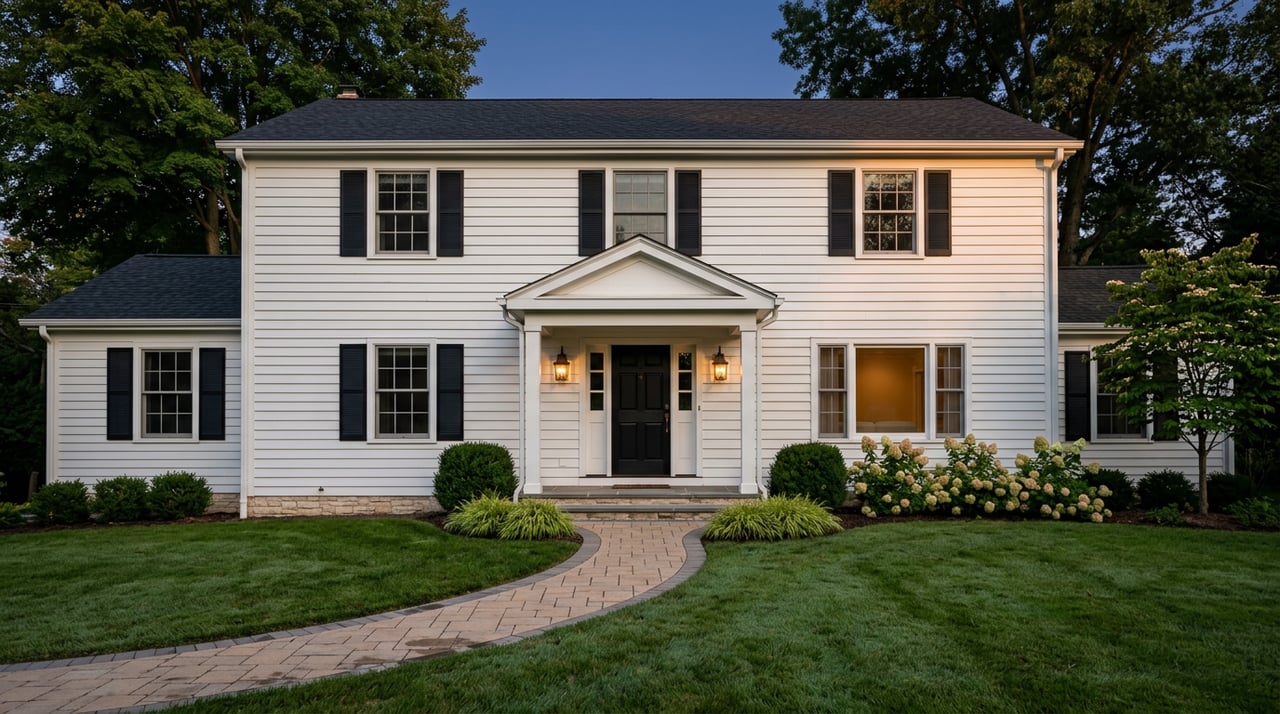
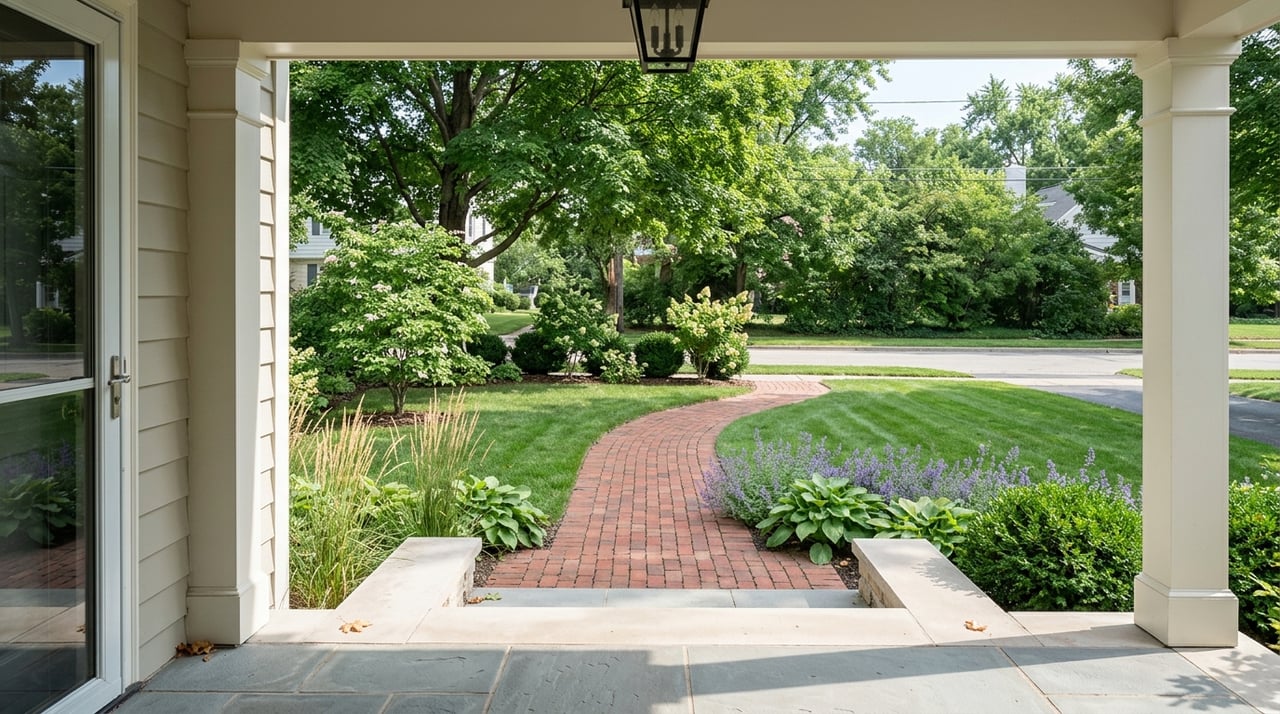
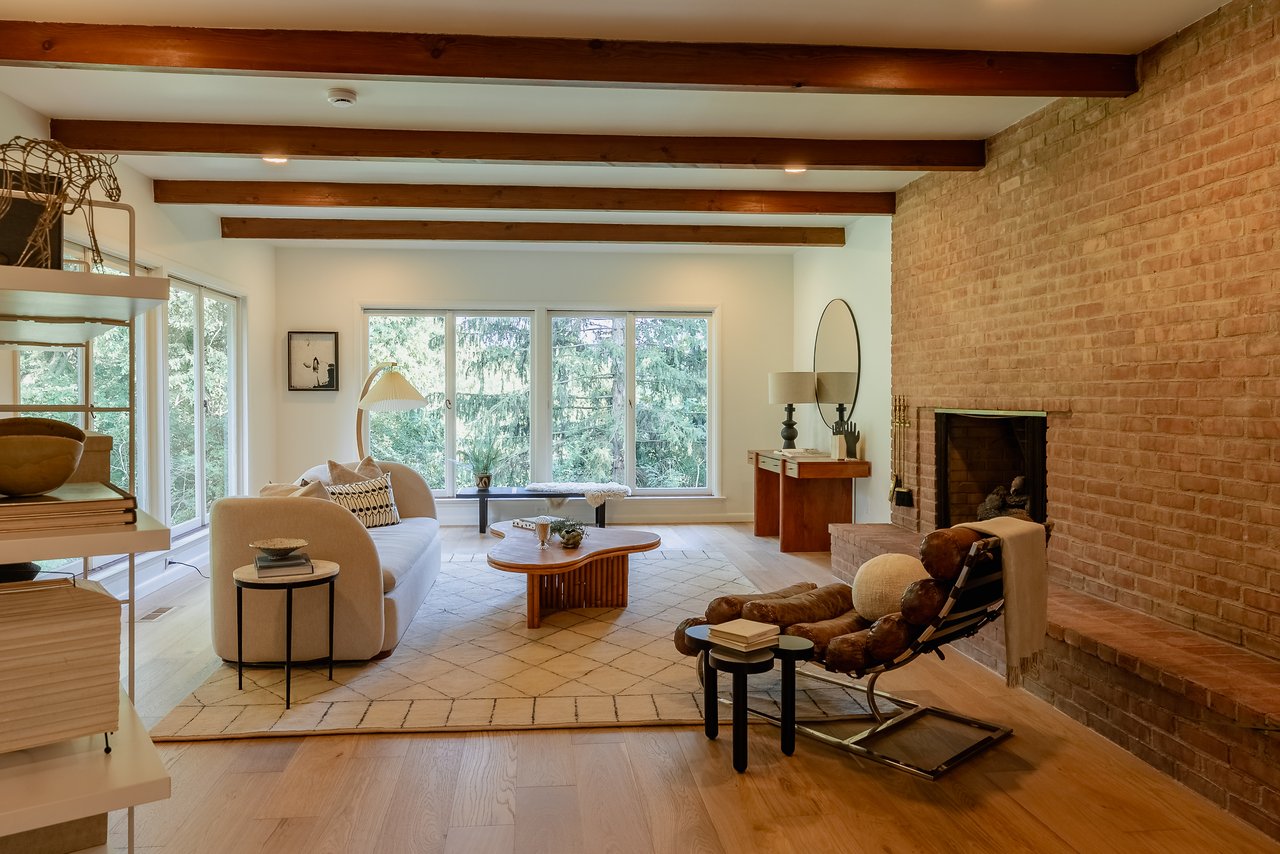
Thinking about buying a rental in Powell but not sure if it fits your goals? You’re not alone. Many investors compare Columbus suburbs to balance cash flow, stability, and long-term upside. In Powell, you’ll find steady tenant demand, family-friendly amenities, and a reputation for strong schools, which can mean lower vacancy but also higher purchase prices. This guide walks you through who Powell fits best, what to buy, how to underwrite a deal, and a step-by-step checklist to make a confident decision. Let’s dive in.
Quick take: Is Powell good for rentals?
Powell sits in Delaware County just north of Columbus. It combines a small-town center with newer subdivisions and easy access to major job corridors. For investors, that often translates to stable demand, longer leases, and price resilience through cycles.
Here’s the short version:
- Powell often suits appreciation-focused investors who value stability and lower vacancy risk.
- Initial cash yields on single-family homes may be lower than in farther-out or lower-priced suburbs.
- Returns come from steady occupancy, family-oriented demand, and long-run appreciation potential.
Bottom line: If you prioritize tenant quality, longer leases, and long-term value over hitting aggressive rent-to-price ratios, Powell can be a smart fit.
What drives tenant demand in Powell
Commuter access and jobs
Powell offers convenient access to US-23, State Route 750, and I-71, plus proximity to the Polaris employment and retail area. That connectivity supports demand from professionals and families who want short, reliable commutes.
Schools as a demand anchor
Powell is served by the Olentangy Local School District, which many renters consider when choosing a home. If you are buying a single-family rental, school boundaries can influence leasing speed and lease length. Always verify current school assignments directly with the district through the Olentangy Local School District.
Amenities and lifestyle
Downtown Powell’s restaurants, parks, and community events appeal to renters who want a suburban feel with nearby conveniences. Homes within easy reach of parks, trails, or the town center can command a premium.
Lease length and turnover
Family renters in established neighborhoods commonly sign 12 to 24 month leases. That can reduce turnover costs and help you maintain steady cash flow. Confirm local expectations with property managers before you buy.
What to buy: property types and tradeoffs
Single-family homes
- Pros: Strong appeal to families, larger spaces, yards, and garages; higher absolute rents; lower turnover when in the right school zones.
- Cons: Typically lower rent-to-price ratios; owners carry most maintenance; vacancies may last longer between tenants if pricing or condition is off.
Townhomes and condos
- Pros: Lower exterior maintenance if covered by HOA; newer finishes can reduce near-term capital expenditures.
- Cons: HOA dues reduce net income; CC&Rs may limit rentals or impose approval steps. Review all documents before contract.
Small multifamily and infill
- Pros: Potentially stronger cash flow and economies of scale on maintenance and management.
- Cons: Fewer options inside Powell proper; more tenant management complexity; confirm permitted use and any inspection requirements with the city.
Micro-location factors to weigh
- School boundaries and paths to assigned schools
- Distance to downtown Powell and local parks
- Commute routes to Polaris and key employment nodes
- HOA rules, rental caps, and special assessments
- Lot size, usable yard space, and parking
Underwriting a Powell rental: the numbers to check
Core performance metrics
- Gross scheduled rent: monthly rent times 12.
- Vacancy allowance: budget a realistic vacancy factor based on local comps or county data.
- Net Operating Income (NOI): gross rent minus vacancy and operating expenses, excluding mortgage payments.
- Cap rate: NOI divided by purchase price.
- Cash-on-cash return: annual pre-tax cash flow divided by total cash invested.
Helpful thumb rules
- 1 percent rule: In many Columbus suburbs like Powell, monthly rent usually falls below 1 percent of purchase price. Use this only as a quick screen.
- 50 percent rule: For a fast estimate, allocate about 50 percent of gross rent to expenses and reserves. Replace with a line-item budget once you have quotes.
- Maintenance and reserves: Plan at least 1 percent of purchase price per year, adjusting for age and condition.
Local expense line items to nail down
- Property taxes: Pull the exact bill from Delaware County and ask how reassessment may affect your year-one expenses.
- Insurance: Get a landlord policy quote based on age, construction type, and updates.
- HOA dues and special assessments: Review CC&Rs for rental restrictions and upcoming projects.
- Utilities: Clarify what the tenant pays and what you pay, especially in multifamily.
- Property management: Typical single-family management fees often range from 8 to 12 percent of collected rent, plus leasing and renewal fees. Get written quotes.
- Capital expenditures: Roof, HVAC, windows, and appliances drive near-term costs on older homes.
- Turnover costs: Budget for cleaning, paint, flooring, and marketing between tenants.
Where to verify demand and vacancy
Use the U.S. Census Bureau’s American Community Survey for population and rental vacancy trends. For current rent ranges, compare active and recently rented listings and supplement with tools like Rentometer and Apartment List’s research. Always adjust for property condition, bedroom count, amenities, and school zone.
Regulations and landlord-tenant basics
City rules and rental registration
Before you write an offer, confirm Powell’s current policies on rental registration, inspections, and any licensing requirements. City rules can change, so contact the City of Powell or check its municipal code to verify what applies to your property type.
Zoning and use restrictions
If you plan short-term rentals or an accessory unit, verify permitted use with the city. For homes in HOAs, review CC&Rs for rental caps, approval procedures, and lease requirements.
Ohio landlord-tenant law
Landlord-tenant relationships are governed by the Ohio Revised Code. Review notice periods, security deposit rules, and eviction procedures to avoid costly mistakes. You can start with Ohio Revised Code Chapter 5321, then consult a local attorney or experienced property manager for Delaware County courtroom processes.
Safety and disclosures
Ensure working smoke and carbon monoxide detectors. For pre-1978 properties, follow federal lead-based paint disclosure rules. Confirm any local habitability standards that may apply.
How Powell compares to nearby suburbs
Relative to northern Columbus suburbs like Lewis Center, Worthington, Westerville, and Dublin, Powell usually presents as more premium with a family-oriented profile. Expect:
- Stronger school-driven tenant interest and resilient pricing
- Fewer bargain-priced homes and lower initial cap rates on well-kept single-family properties
- Lower turnover risk when homes align with family preferences and commute needs
If you are yield-focused, you might find better initial cash flow in lower-priced areas or in small multifamily outside the most in-demand school zones. If you want steady occupancy and long-term appreciation potential, Powell deserves a spot on your shortlist.
Step-by-step checklist before you offer
- Pull recent sales comps for the same neighborhood, property type, and condition through MLS or county records.
- Gather rent comps for similar beds, baths, amenities, and school zones using active and recently rented listings, plus rental data tools.
- Verify current property taxes and any upcoming levies with the county auditor.
- Read all HOA documents and confirm rental rules or caps.
- Get landlord insurance quotes tailored to the property.
- Order a full inspection and price out near-term capital items.
- Call 2 to 3 local property managers for rent estimates, days-to-rent, vacancy expectations, and fee quotes.
- Model scenarios for rent growth, vacancy, and interest rates.
- Calculate NOI, cap rate, and cash-on-cash under different financing paths.
Who Powell fits best
- You want stability and long-run value. You prefer lower vacancy risk and will trade a bit of current yield for demand resilience.
- You value renter profiles that lean toward longer leases, especially in family-oriented neighborhoods.
- You are prepared to underwrite precisely, including taxes, HOA rules, and realistic rent comps, rather than relying on a simple percentage rule.
If that sounds like you, Powell can be a strong addition to your buy-and-hold portfolio.
Ready to compare addresses and run the numbers with local comps? Talk with a local agent who knows neighborhood trends, HOA nuances, and rent expectations. Start a focused search with Michael Bradley Gibson and move forward with confidence.
FAQs
Is Powell, Ohio a good place to buy a rental property?
- Powell can work well if you prioritize lower vacancy risk, family-oriented demand, and long-term appreciation over maximizing short-term cash flow.
Where can I find current rent and vacancy data for Powell?
What vacancy rate should I budget in Powell?
- Start with county or metro vacancy data from the ACS, then adjust after speaking with local property managers about days-to-rent and concessions for your specific property type.
Do HOAs in Powell restrict rentals?
- Many subdivisions have CC&Rs that limit or regulate rentals, so read the full HOA documents and confirm any caps, approval steps, and lease requirements before you buy.
What are typical property management fees near Powell?
- Single-family management commonly runs about 8 to 12 percent of collected rent, plus leasing and renewal fees; always get written quotes for your property.
What Ohio laws should landlords know before investing in Powell?
- Review Ohio Revised Code Chapter 5321 for landlord-tenant rules, then consult a local attorney or property manager about Delaware County court procedures and timelines.