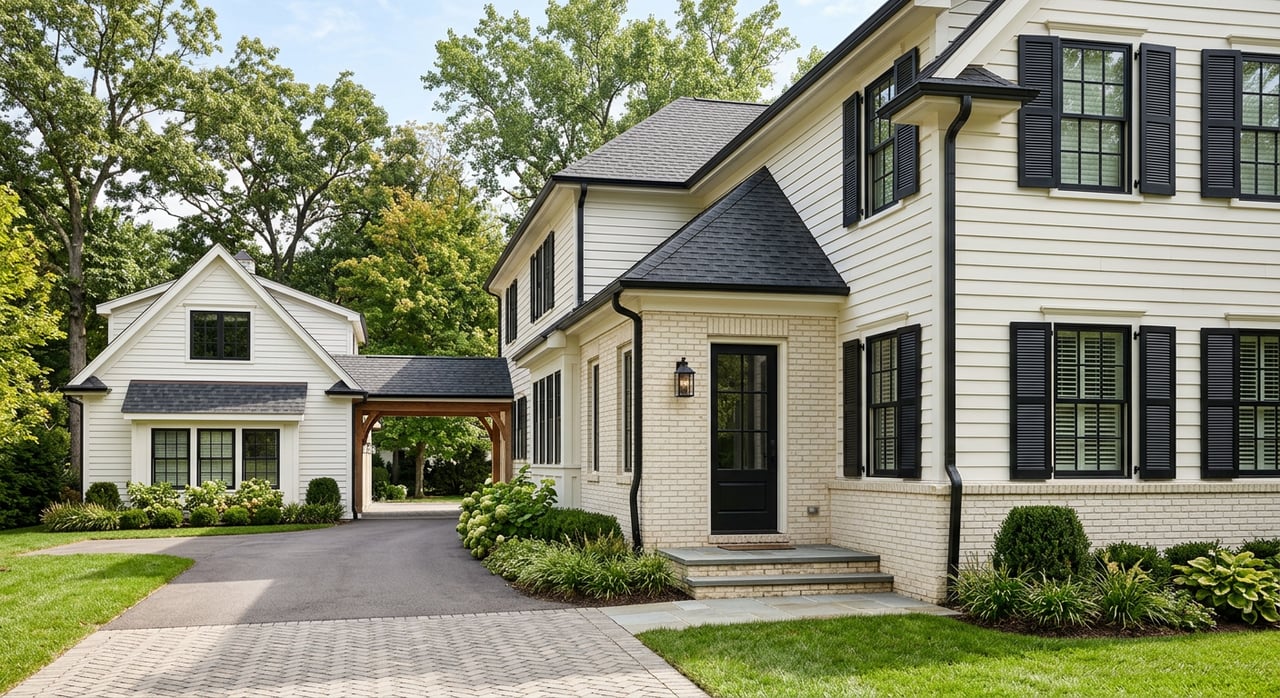
Westerville House Hacking Near Otterbein University
March 24, 2026
March 24, 2026
Looking to live near Otterbein and cut your housing costs at the same time? If you’re eyeing Westerville for its walkable Uptown streets and steady rental demand, house hacking can be a smart path to build equity while offsetting your payment. In this guide, you’ll see how demand near campus works, what’s legal, how financing plays out for 2–4 units, and what to look for in a property. Let’s dive in.
Otterbein University anchors steady, seasonal demand for nearby rentals. The campus sits at 1 South Grove Street, and many students are eligible to live off campus, which keeps interest high for rooms, small units, and duplexes close to Uptown and Olde Westerville.
Citywide rents average around the mid‑$1,400s per month, with locations immediately near campus often commanding more. For room-by-room setups, per-room rents can range widely based on condition, location, and whether utilities are included. Always check live local listings to set your targets.
If your goal is to live in one unit and rent the rest, proximity to campus and Uptown helps with rentability. Even a few blocks can change pricing and demand, so walk the area and verify comps before you buy.
Two‑family dwellings are a permitted use in Westerville’s R‑3 Two‑Family District. If you find a true duplex in an R‑3 zone, you can typically house hack by living in one unit and renting the other. Larger group lodging and boarding houses fall under different rules and may require review.
Westerville allows Accessory Dwelling Units under defined conditions. In the Olde Westerville Special Overlay, ADUs can be permitted with a zoning certificate, but the owner must live on the lot and record an owner‑occupancy covenant. Size and placement standards apply. Detached ADUs often have maximums around 720 square feet and must meet accessory building setbacks. Outside Olde Westerville, ADUs may be conditional uses depending on the district. Confirm the parcel’s overlay before you plan an ADU.
Westerville distinguishes rentals by how many rooms you lease. A dwelling that offers at least three rooms for rent can be classified as a boarding or rooming house. That classification matters because boarding houses are treated as conditional uses in many districts, which can trigger Planning Commission review for parking, access, and yard space. If you plan to rent multiple rooms to unrelated tenants, check whether your setup meets the standard household definition or crosses into a boarding house use.
Westerville defines a household as one or more persons in a dwelling. Unless family members, no household may include more than five unrelated persons. This is a key limit for room rentals. Keep your leasing plan aligned with the code to avoid violations.
FHA financing can work well for owner‑occupied 2–4 unit properties. Be aware that for 3‑ and 4‑unit purchases, FHA applies a self‑sufficiency test. The appraiser’s market‑rent estimate for all units, reduced by a vacancy or maintenance factor, must be high enough so that the net rental income covers the total mortgage payment under FHA’s formula. Duplexes often pass more easily than triplexes or four‑plexes.
Recent conventional guidelines allow some owner‑occupants to buy 2–4 unit properties with low down payments, commonly around 5 percent in many conforming scenarios. Lenders may also use future rental income from the other units to help you qualify, subject to reserves and overlays. Program details vary, so get a written pre‑approval and confirm loan limits, reserves, and DTI early.
If you’re eligible for VA financing, you may be able to buy a multi‑unit property and live in one unit. Confirm the specifics with your lender.
Use simple, conservative math to judge feasibility. For example, a 3‑bedroom home rented by the room at a hypothetical $700 per room produces $2,100 per month if all rooms are leased. If you live in one bedroom, the two rented rooms could generate about $1,400. Compare that to your projected payment, taxes, insurance, vacancy allowance, and maintenance. As a reference point, Westerville’s average rent sits around the mid‑$1,400s per month, but your results will depend on location and condition. Validate assumptions with current local listings.
Get pre‑approved. Confirm whether FHA, conventional low‑down, or VA is your best fit and ask your lender about reserves and rental income treatment.
Check zoning. Use the city’s zoning map to confirm the parcel’s district and whether it is in the Olde Westerville overlay or other special areas.
Clarify the use. Decide if you want a duplex, an ADU, or room‑by‑room rentals, and confirm whether your plan is permitted or conditional.
Walk the property. Verify separate entrances, kitchens, egress, parking, and potential for a second bath or ADU.
Build a pro forma. Use conservative rents, include a vacancy factor, and account for utilities, maintenance, and management time.
Plan permits and compliance. If you need a conditional use or an ADU zoning certificate, sequence those steps before renovations.
Align leases to demand. Set dates that match the academic cycle and outline rules for utilities, guests, and renewals.
House hacking near Otterbein works best when you pair the right property with the right plan. You want clear zoning guidance, realistic rent targets, and financing that fits your goals. Our team brings neighborhood insight, investor‑savvy underwriting, and hands‑on support from search to close.
If you’re ready to run numbers on a duplex, explore ADU options, or fine‑tune a room‑rental plan near Uptown, talk with a local agent at Michael Bradley Gibson.
Stay up to date on the latest real estate trends.
Work with a dedicated team committed to delivering exceptional results. We provide trusted guidance, clear communication, and a tailored experience from start to finish.
GIBSON GRP
545 Metro Pl S, #100 Dublin, OH 43017 REAL