Buying A Historic Home In Worthington: Key Considerations
July 2, 2026
July 2, 2026
Thinking about buying a historic home in Worthington? It can be an exciting move, but it also comes with a different set of questions than buying a newer property. If you want charm, character, and a strong sense of place, you also need to understand inspections, local review rules, and renovation realities before you make an offer. Here’s what to know so you can buy with more confidence. Let’s dive in.
In Worthington, a home does not have to be famous or museum-like to be considered historic. The city’s old village core dates back to 1803, and Old Worthington includes a National Register historic district with more than 450 properties.
That said, the most important question for you as a buyer is not just the home’s age. It is whether the property is located inside Worthington’s local Architectural Review District, because that is what can affect future exterior projects.
The National Register district and the local review district are not the same thing. National Register status is largely honorary for private owners, while Worthington’s local ordinance creates actual review requirements for certain exterior changes.
Before you assume what you can or cannot update, check the city’s Historic District map, Architectural Review District map, or interactive map for the property address. That one step can help you avoid major surprises later.
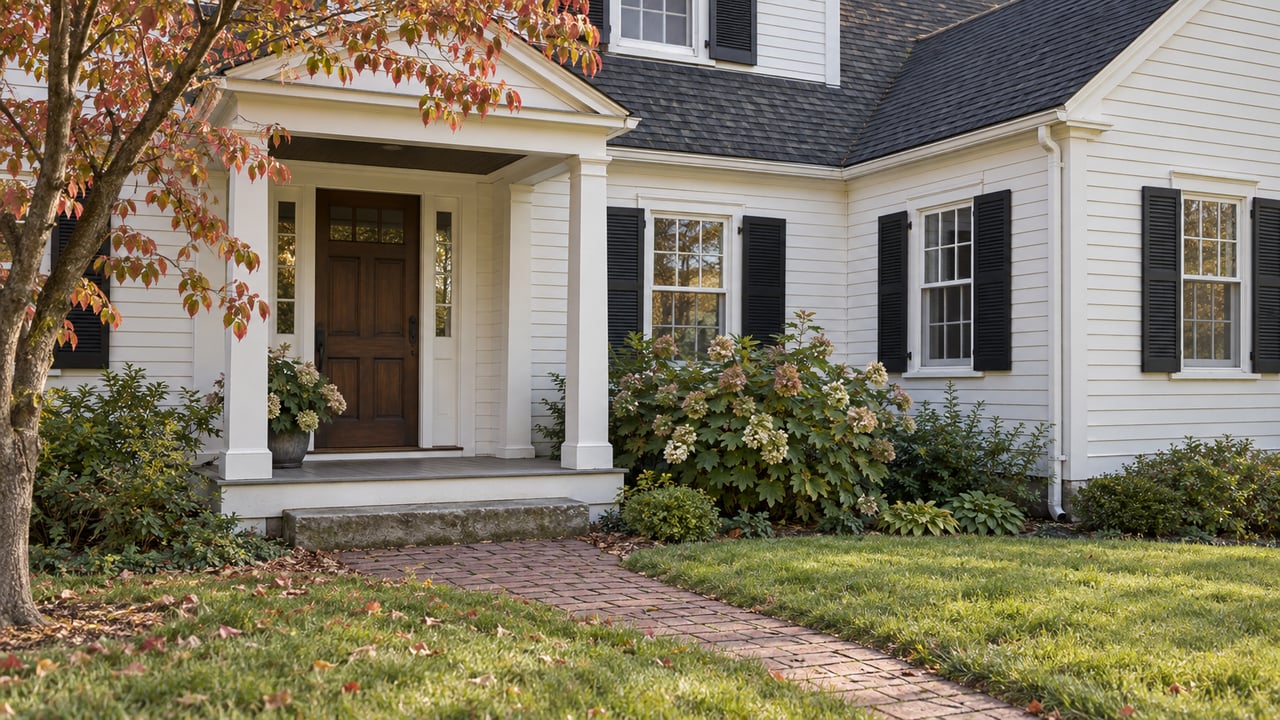
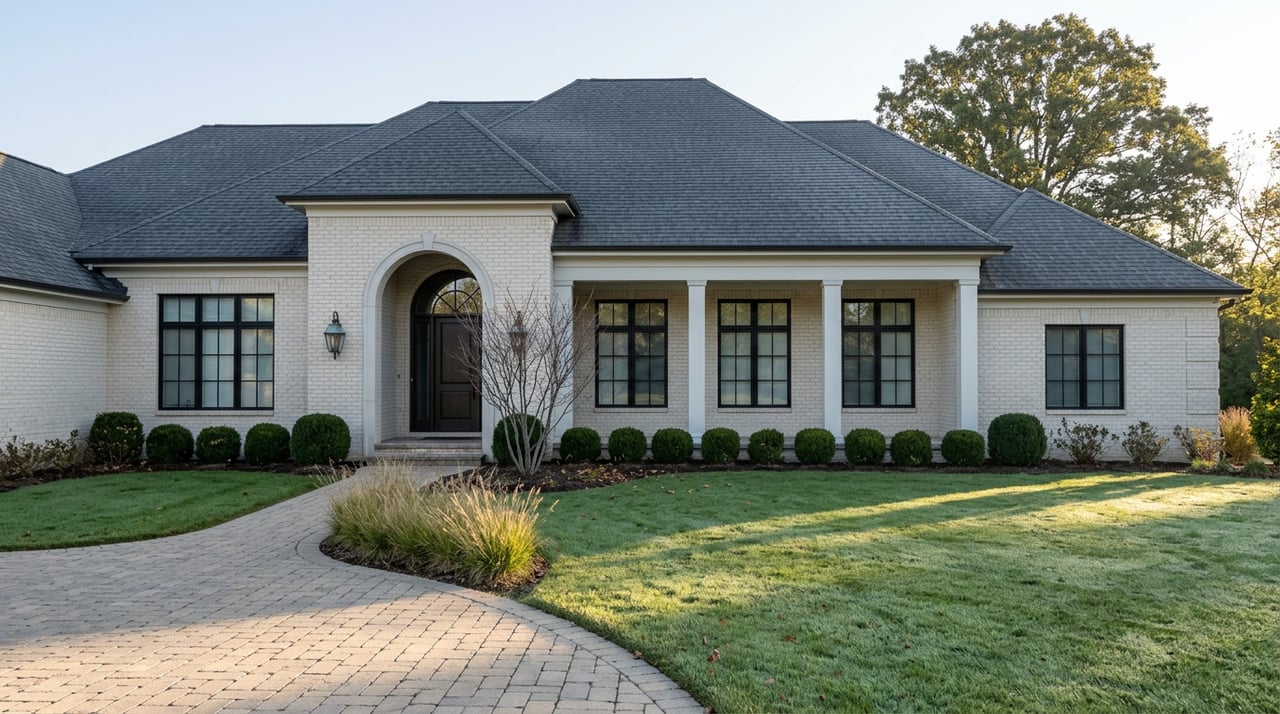
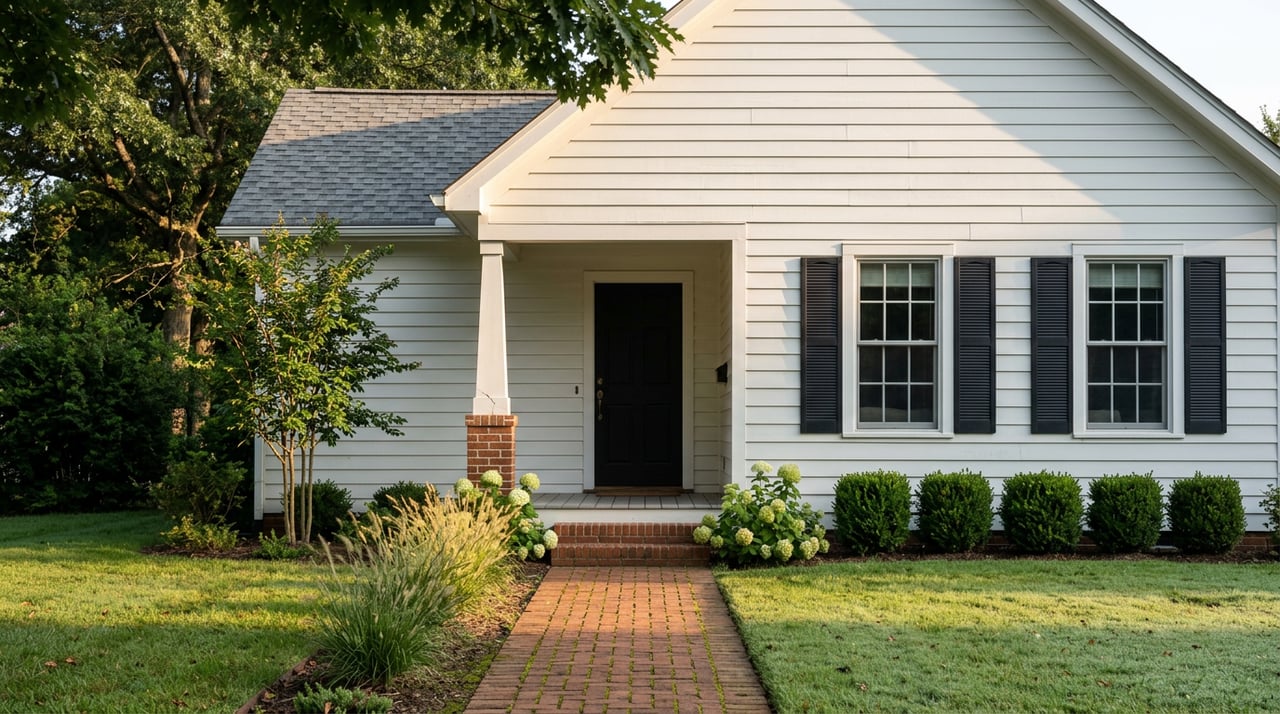
Worthington has a wide mix of architectural styles, which is part of what makes the area appealing. According to the city’s design guide, the community includes Federal, Greek Revival, Gothic Revival, Italianate, Queen Anne, Craftsman, Prairie, Colonial Revival, Cape Cod, Ranch, Split Level, and other vernacular forms.
That variety matters because different styles often come with different maintenance needs. A Queen Anne may have more decorative exterior elements to preserve, while a bungalow may have porch details and roof features that need specialized attention.
You may also notice that Worthington’s historic character is about more than individual homes. The city’s design guidance emphasizes scale, setbacks, building materials, yards, sidewalks, and mature street trees, which means even modest exterior changes can have a broader design impact in older parts of town.
Here are a few easy style cues that can help you better understand the homes you tour:
Knowing the style is useful because it can shape both your maintenance budget and your renovation plans.
A historic home can offer a lot of value, but older properties often reveal issues in layers. That is why a broad, careful inspection is one of the most important parts of your buying process.
A solid older-home evaluation should look closely at the site, exterior, interior, structural system, electrical system, plumbing system, and HVAC system. These are often the areas most likely to uncover repair costs before closing.
If you are considering a home that needs updates, this stage matters even more. You want to know which repairs are cosmetic, which are functional, and which may affect your budget right away.
If the home was built before 1978, lead-based paint should be on your radar. The EPA says the older the home, the more likely it is to contain lead-based paint, and many buyers should assume a pre-1978 home may contain lead until testing shows otherwise.
The EPA also reports that 87% of homes built before 1940 and 24% of homes built between 1960 and 1978 have some lead-based paint. In a community with older housing like Worthington, that makes lead a practical concern, not just a technical one.
At the contract stage, buyers of most pre-1978 homes must receive known lead information and the EPA lead pamphlet before signing. If you plan future work that disturbs painted surfaces, such as window repair, trim work, or paint prep, certified contractors using lead-safe practices may also be required.
Asbestos is another issue that often comes up in older homes. The EPA says the only way to know for sure if a material contains asbestos is to have it tested by a qualified lab.
In practice, targeted testing is usually most useful when materials are damaged or when a renovation would disturb them. That can be especially relevant before work involving flooring, ceilings, siding, or shingles.
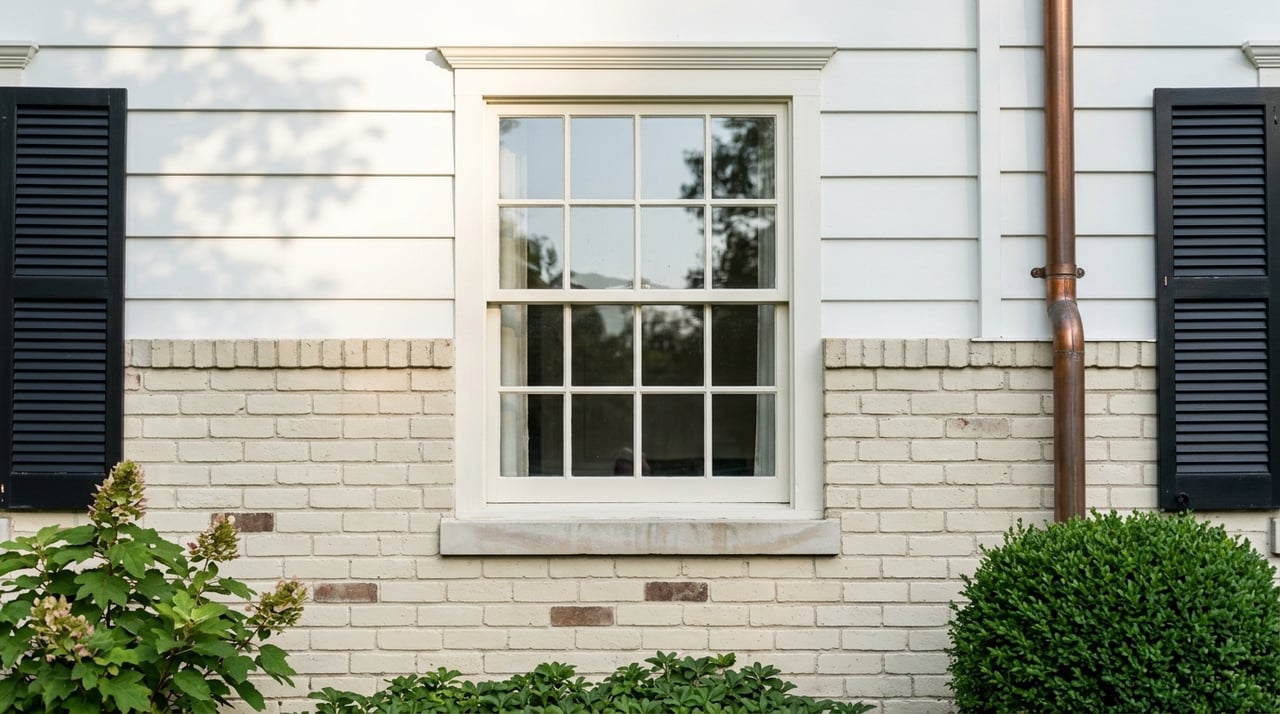
Old windows can raise big questions for buyers, especially if energy efficiency is a concern. But replacement is not always the first or best answer.
The National Park Service says historic windows should be repaired rather than replaced when feasible. If replacement is necessary, the new window should match the original in design, color, texture, and where possible materials.
The same guidance also notes that energy performance alone is not, by itself, a reason to replace a historic window. Measures like weatherstripping and storm windows can improve performance while helping preserve the original character.
If the home is inside Worthington’s Architectural Review District, exterior changes may require more than a standard building permit. The city requires a certificate of appropriateness for new construction and for exterior alterations, reconstruction, enlargement, or remodeling that affect design, materials, finish grade line, landscaping, or orientation.
That means updates like additions, facade changes, and some window or exterior material changes may need review. Your application must include items such as a scaled site plan, elevations, and a narrative description.
Worthington posts notice at least 10 days before the hearing, and the board’s decision is due within 30 days after the first hearing. If approved, the certificate is valid for 18 months.
Not every exterior task triggers a historic review. Worthington’s code specifically exempts ordinary repair and maintenance of exterior features, along with ordinary planting and landscaping.
That is good news if your goal is to stay ahead of basic upkeep. Still, if a project goes beyond routine maintenance or changes the exterior appearance in a noticeable way, it is smart to confirm requirements before making plans.
When you buy an older Worthington home, your budget should cover more than standard maintenance. Historic or older properties can involve added costs for lead-safe work, window repair, specialist inspections, design coordination, and possible review-related documents.
Worthington’s board considers factors like height, massing, window treatment, porches, roof shape, materials, color, landscape design, pedestrian environment, signage, and sustainable features. Because of that, some projects may require more planning and professional input than you would expect in a non-historic setting.
If you are comparing an older home with a newer one, this is one of the biggest practical differences. The purchase price is only part of the financial picture.
Demolition is tightly controlled in Worthington. Inside the Architectural Review District, no building may be demolished or removed without a certificate of appropriateness.
The board may also request a structural report from the city’s building regulation division and a written statement from a registered architect, historical conservator, or similar professional. Outside the district, Worthington still requires prior approval before demolishing a building that is more than 75 years old.
For buyers, this matters because a property with major condition issues may not offer the flexibility you first imagine. If your long-term plan involves substantial removal or rebuilding, you need to understand the city process early.
When you tour a historic or older Worthington home, try asking questions like these:
These questions can help you move from admiring the home’s character to understanding its real ownership costs.
Historic-home purchases usually go more smoothly when you have the right people involved from the start. For many Worthington buyers, that can mean a general inspector who understands older housing, a certified lead inspector or risk assessor for pre-1978 homes, an asbestos professional if suspect materials may be disturbed, and a contractor or architect familiar with preservation-sensitive work.
Just as important, you want a local real estate team that understands how Worthington’s housing stock, review rules, and renovation realities can affect your search. That local context can help you ask better questions before you commit.
Buying a historic home in Worthington can be incredibly rewarding if you go in with clear expectations. When you understand the district rules, inspect carefully, and budget for the home’s true needs, you are in a much better position to enjoy the charm without being caught off guard.
If you’re exploring homes in Worthington and want practical, neighborhood-level guidance, talk with Michael Bradley Gibson for local insight and hands-on support.
Stay up to date on the latest real estate trends.
Work with a dedicated team committed to delivering exceptional results. We provide trusted guidance, clear communication, and a tailored experience from start to finish.
GIBSON GRP
545 Metro Pl S, #100 Dublin, OH 43017 REAL