How to Sell a Condo in Worthington Without Delays
July 16, 2026
July 16, 2026
Wondering why selling a condo in Worthington can feel more complicated than selling a typical house? You are not just selling your unit’s interior. You are also selling into an association structure with records, rules, disclosures, and lender questions that can affect your timeline. The good news is that with the right prep, you can reduce surprises and keep your sale moving forward. Let’s dive in.
A condo sale involves two layers at once. First, there is your unit itself, including its condition, presentation, and pricing. Second, there is the condominium association, which brings its own documents, rules, budgets, and records into the transaction.
In Ohio, residential property transfers require a state disclosure form. That form is important, but it is not a warranty and it does not replace the buyer’s inspections. For condo owners in Worthington, that means a smooth sale starts with good unit prep and organized documentation.
Ohio law also treats condominium ownership as part of a recorded legal structure. The declaration, bylaws, drawings, and related documents are not just background files. They are part of what makes the unit conveyable, which is why early coordination matters.
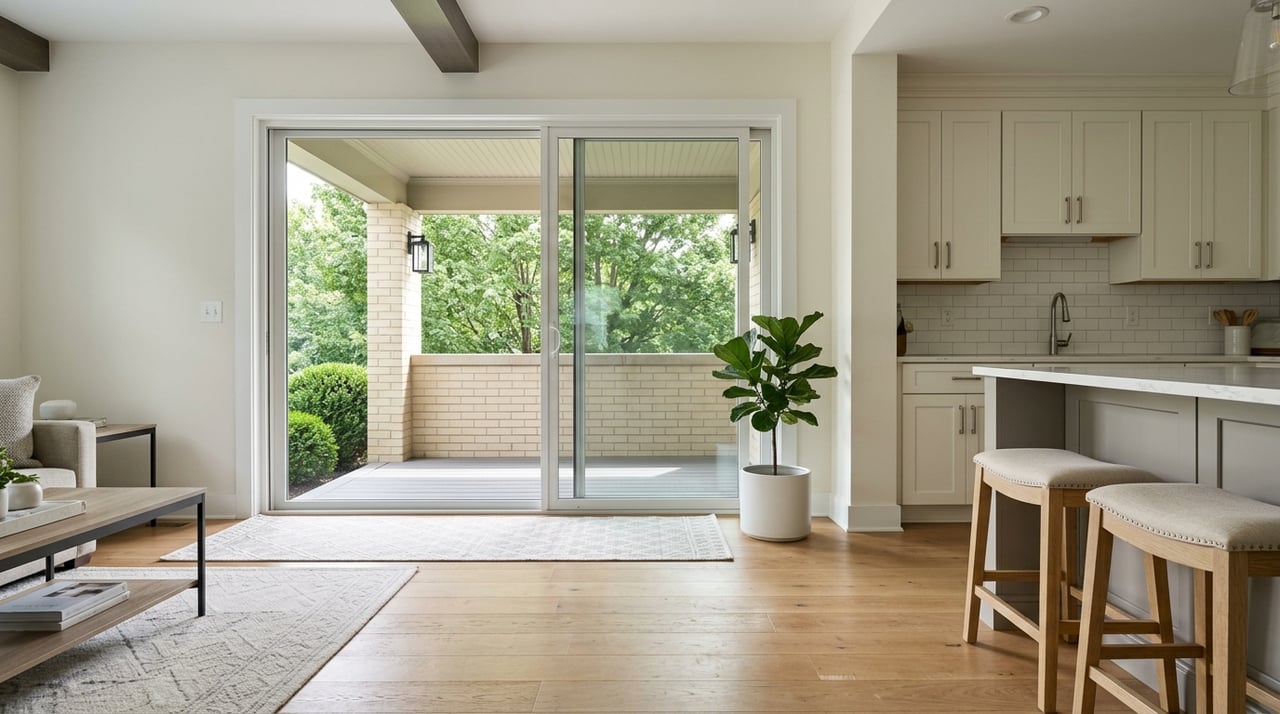
Before buyers look at association details, they notice how your condo feels. In a condo, where square footage may be more compact, presentation has a big impact. Clean rooms, open surfaces, and bright spaces help buyers picture their daily life in the home.
According to the 2023 NAR staging survey, 81% of buyers’ agents said staging made it easier for buyers to visualize a property as a future home. The same report found that living rooms, primary bedrooms, and kitchens were the rooms most often seen as important to stage. For sellers, that makes those spaces the best place to focus your energy first.
You do not need a full redesign to make progress. In many cases, the goal is to create a calm, functional look that makes the space feel easy to live in. That often means removing extra furniture, clearing countertops, and making sure lighting works well in every room.
If you want to make the biggest visual difference, start here:
These areas tend to shape a buyer’s first impression. In a condo, where every room carries more weight, small improvements can go a long way.
Most buyers will see your condo online before they ever schedule a showing. That means your listing media needs to do more than document the space. It should help buyers understand layout, light, and flow.
The same 2023 NAR survey reported that 77% of buyers’ agents said photos were much more or more important to clients, and 74% said the same for videos. For a Worthington condo listing, strong visual marketing can help your home stand out quickly in search results and showing requests.
Good media is especially useful when marketing a smaller footprint. Clear photos and video can show how efficiently the space works and help buyers see storage, room connections, and natural light.
Selling a condo is not only about making the unit look great. You also want to package the listing so buyers and their lenders can evaluate the association with fewer delays.
Ohio requires condominium declarations to be recorded in the county recorder’s office where the property is located. Ohio law also states that no interest in a unit can be conveyed until the declaration, bylaws, and drawings have been filed for record. In practice, that makes document collection part of your sale prep, not something to chase at the end.
A well-prepared condo listing often includes clear information about the association alongside the home itself. Buyers may want to understand dues, rules, budgets, and recent association activity before they feel ready to move forward.
Try to organize these items as early as possible:
Having these items ready can help your transaction move more smoothly once you are under contract.
Condo owners in Ohio must comply with the declaration, bylaws, and association rules as lawfully amended. That matters before your listing goes live because some communities have rules that affect access, move activity, or property changes.
If you are planning touch-ups, repairs, or improvements before listing, it helps to confirm what the association allows. The same goes for showing logistics. If the building has entry procedures, access restrictions, or other operational rules, knowing them upfront can make showings easier for everyone.
This step is simple, but it can prevent unnecessary friction. Buyers notice when showings feel organized and easy to navigate.
If your Worthington condo was built before 1978, lead-based paint disclosure rules may apply. Sellers of most residential housing built before 1978 must disclose known lead-based paint or lead-based paint hazards and provide the approved pamphlet.
If you are doing paid renovation work that disturbs paint before listing, EPA guidance says the work must be completed by certified lead-safe firms. This is one of those issues that is much easier to handle before your condo hits the market than after a buyer starts asking questions.
When buyers purchase a condo, they are buying into a shared legal and financial structure. That is why many buyers ask for more than just the standard property information. They often want to understand how the association operates and whether there are any issues that could affect ownership.
Ohio requires unit owners associations to keep books and records of account, records showing allocation of common expenses, meeting minutes, and owner information. Ohio law also allows unit owners to inspect and copy many of those records under reasonable standards, though certain confidential or older records may be withheld.
For sellers, this matters because those records often answer the questions buyers are already thinking about. A buyer may want clarity on budgets, maintenance planning, repairs, or upcoming costs before they commit.
Common buyer questions often center on:
The cleaner and more organized this information is, the easier it usually is for buyers to evaluate the opportunity.
One of the biggest condo-specific closing issues is unpaid association charges. Under Ohio law, a condo association can have a continuing lien for unpaid common expenses, late fees, collection costs, attorney’s fees, and similar charges after they have been unpaid for ten days.
That lien is generally prior to later liens, except for real estate taxes, certain political subdivision assessments, and first mortgages. In practical terms, sellers should treat any unpaid assessment balance as an early action item. Waiting until the last minute can create avoidable closing stress.
Even when a buyer loves your condo, the lender still has to evaluate the project if financing is involved. Fannie Mae notes that lenders review condo projects for issues such as critical repairs, inadequate insurance, and significant litigation. It also notes that reserve studies are not always required, but underwriters may use them to evaluate a project’s financial and physical condition.
This is why association readiness matters so much. If the buyer’s lender needs project information and the documents are incomplete or hard to obtain, your timeline may stretch. If the documents are organized and current, the process often becomes more straightforward.
For Worthington sellers, this is one of the clearest advantages of preparing early. Good HOA coordination can reduce surprises after you accept an offer.
Once your condo is under contract, the sale usually moves along two tracks at the same time. One track is your unit-level transaction, including disclosures, inspections, title work, and any negotiated repairs. The other track is the association-level review, where the buyer and lender evaluate the condo project documents and related records.
On the unit side, make sure the Ohio residential property disclosure form is completed and delivered. Since that form is not a warranty, buyers may still complete their own inspections, and that is a normal part of the process.
On the association side, your closing team will want to verify that the recorded condominium documents are in place early. Because Ohio does not allow conveyance of a unit interest until the declaration, bylaws, and drawings have been filed for record, document confirmation is an important part of closing prep.
Selling a condo in Worthington is often easier when you treat the HOA like part of the transaction team. A clean, well-presented unit helps buyers connect with the space. An organized document package helps buyers, lenders, and title professionals move with more confidence.
If you are planning to sell, the most effective approach is usually simple: prep the unit, confirm the rules, gather the records, and deal with assessment or disclosure issues early. That kind of planning can make the path from listing to closing much more manageable.
If you want practical guidance on selling your Worthington condo with strong local support, talk with Michael Bradley Gibson.
Stay up to date on the latest real estate trends.









Work with a dedicated team committed to delivering exceptional results. We provide trusted guidance, clear communication, and a tailored experience from start to finish.

GIBSON GRP
545 Metro Pl S, #100 Dublin, OH 43017 REAL