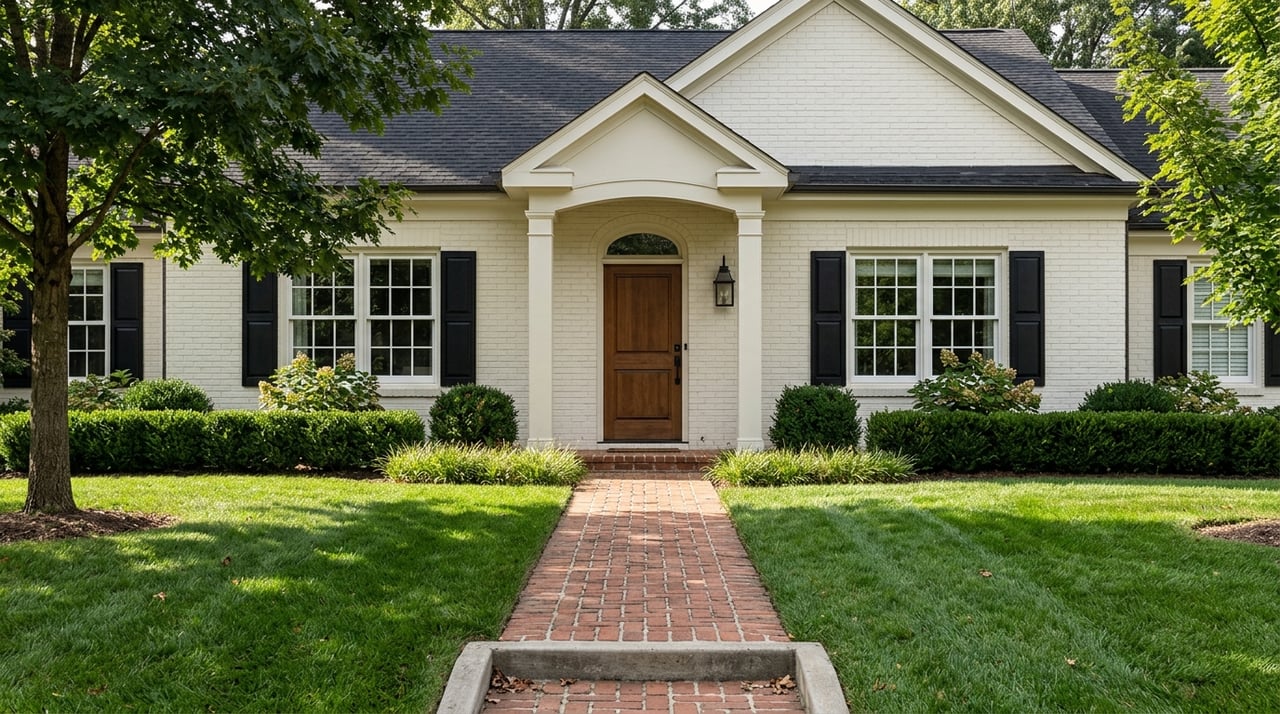
Choosing Between Established And Newer Neighborhoods In Westerville
June 4, 2026
June 4, 2026
Wondering whether Westerville’s older neighborhoods or newer subdivisions are the better fit for your next move? It is a smart question, especially in a city where housing options range from 19th-century homes near Uptown to more recently built properties in newer planned areas. If you are trying to balance character, walkability, lot layout, and future maintenance, this guide will help you compare the trade-offs clearly. Let’s dive in.
In Westerville, an established neighborhood can mean a few different things. It may refer to the historic core near Uptown, older platted areas like Olde Westerville, or simply neighborhoods with homes built earlier than the city’s newer subdivisions.
That distinction matters because Westerville has a lot more older housing than brand-new housing. According to the city’s housing study, nearly three-quarters of homes were built between 1960 and 1999, while fewer than 2% are newer than 10 years old. So when you shop in Westerville, you are usually comparing different types of established housing with a smaller pool of true new construction.
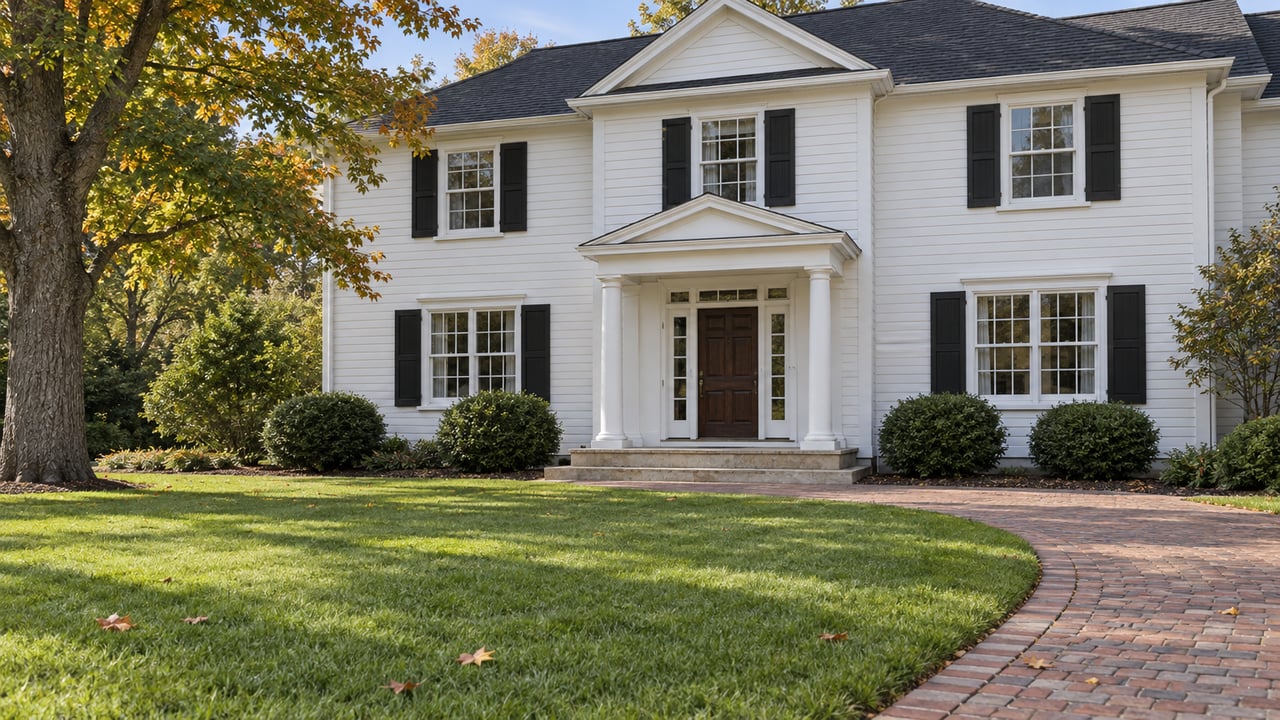
Established neighborhoods often stand out for their character and street feel. In areas like Uptown and Olde Westerville, you are more likely to see mature trees, varied lot shapes, and homes that do not all look or sit the same on the street.
That variety is rooted in how these areas developed. The city notes that Olde Westerville was largely developed before zoning existed, which is why lot sizes and land-use relationships there can feel different from newly developing areas. For many buyers, that creates a sense of individuality that is hard to replicate in newer subdivisions.
Uptown Westerville is the city’s historic shopping district, and some homes in that area date back to the 19th century. If you enjoy older architecture, established areas may offer more distinctive exterior details and a stronger connection to Westerville’s long-term development pattern.
This does not mean every older home is historic in the formal sense. It does mean that older neighborhoods often have a more layered look, with different home styles, lot widths, and building placement creating a less uniform feel.
If your goal is to be closer to a walkable daily routine, established neighborhoods may give you an edge depending on the block. Westerville describes itself as a highly walkable community, with 51 miles of recreational trails running through neighborhoods and many parks within walking distance.
In practical terms, the strongest day-to-day walkability often shows up where older neighborhoods, Uptown, parks, and trail connections overlap. That can make established areas appealing if you want easier access to shopping, recreation, or community amenities without relying entirely on the car.
Newer neighborhoods appeal to buyers for different reasons. If you value more standardized lot layouts, newer building systems, and less immediate renovation work, newer housing options may feel simpler and more predictable.
Westerville’s planning and building materials describe newer housing as part of the city’s broader growth strategy, including vacant residential land, underdeveloped commercial land, and infill sites. All residential construction goes through city review and inspection under current codes and ordinances, which can give buyers more confidence in the home’s systems and construction standards.
One common difference in newer subdivisions is consistency. Lots, setbacks, driveways, and home placement often follow a more uniform pattern than in older neighborhoods.
That consistency can be useful if you want a more straightforward comparison when shopping. It may also mean fewer surprises related to lot shape, parking setup, or exterior placement than you might find in older parts of Westerville.
Newer homes are not maintenance-free, but they may reduce near-term capital spending. Westerville’s housing study notes that aged housing is more likely to need major repairs involving roofing, siding, furnace and heating systems, sewer or disposal systems, electrical work, and structural work.
By comparison, newer homes built and inspected to current standards may lower the odds of facing those larger projects right away. If you want to move in and focus less on immediate updates, that can be a strong reason to prioritize newer housing.
A common assumption is that newer neighborhoods are automatically better because they are newer, or that older neighborhoods are always more walkable because they are older. In Westerville, the reality is more specific than that.
The city’s plans and parks information show strong support for walkable neighborhoods across Westerville. The Age-Friendly Westerville plan says neighborhoods should allow residents to walk or take transit to recreation, shopping, and medical facilities, while the trail system connects many parts of the city.
That means you should evaluate walkability one neighborhood at a time. Some established areas near Uptown may offer the most obvious everyday access, while some newer areas may depend more on trail connectivity and short drives.
When comparing neighborhoods, it helps to look beyond the listing photos. Ask practical questions such as:
Westerville’s own neighborhood materials frame the choice partly as old versus new and small lots versus big lots. That is a useful starting point, but the real comparison goes deeper than square footage alone.
In older neighborhoods, lots may be smaller, irregularly shaped, or arranged in ways that predate current zoning patterns. In newer subdivisions, lot layouts are often more standardized, which can make yard expectations easier to understand from one property to the next.
A lot that looks similar on paper may feel very different in person. In Westerville, buyers should compare:
This is especially important in places like Olde Westerville, where the city had to adapt standards for lots between under 4,000 and 6,000 square feet because the area predates modern zoning. Two homes with similar listed lot sizes can offer very different outdoor use and privacy.
Character can be a major advantage, but it is wise to pair that excitement with a realistic maintenance plan. Westerville’s housing study specifically points to roofing, siding, heating systems, sewer and disposal systems, electrical work, and structural work as areas where aged housing may require major repairs.
That does not mean every older home will need major work right away. It does mean you should budget carefully for inspections, possible repairs, and ongoing upkeep if you are leaning toward an established neighborhood.
Rather than asking whether an older home is “good” or “bad,” ask how prepared you are for reinvestment. A home with strong character and a great location may still be the right choice if you are comfortable planning for future projects.
Westerville’s Home Repair Program and Westerville Helps also show that upkeep and safety-related reinvestment are real concerns in parts of the existing housing stock. For buyers, that is a reminder to think beyond the purchase price and consider longer-term ownership costs.
If you are considering a home in or near a historic area, renovation flexibility is worth understanding early. In Uptown Westerville, the Uptown Review Board reviews new construction, additions, facade renovations, exterior materials, windows and doors, signage, awnings, paint color, demolition, and landscaping to preserve the district’s historic character.
That does not make these homes a poor choice. It simply means exterior changes may involve more review and a stronger focus on compatibility than they would in many newer neighborhoods.
If you love the idea of an older home but also want to make visible exterior changes, this is an important part of your decision. You may enjoy the neighborhood character more if you are also comfortable working within design expectations tied to the area.
Olde Westerville also has overlay standards intended to protect single-family residential character and adapt to smaller lots. So before you buy, it helps to match your renovation goals with the rules that apply to the property.
There is no universal winner between established and newer neighborhoods in Westerville. The better choice depends on how you rank character, maintenance, walkability, lot layout, and renovation flexibility.
An established neighborhood may be the better fit if you want mature streetscapes, more architectural variety, and a stronger chance of being close to Uptown-oriented amenities. A newer neighborhood may make more sense if you want newer systems, more standardized lots, and less immediate repair pressure.
Westerville supports both preferences. City survey feedback highlights demand for walkable neighborhoods, housing variety, accessibility for different stages of life, and development that respects neighborhood context.
If you want help comparing specific Westerville neighborhoods, home styles, or resale trade-offs, talk with Michael Bradley Gibson for practical, local guidance tailored to your move.
Stay up to date on the latest real estate trends.
Work with a dedicated team committed to delivering exceptional results. We provide trusted guidance, clear communication, and a tailored experience from start to finish.
GIBSON GRP
545 Metro Pl S, #100 Dublin, OH 43017 REAL