Living in Worthington Ohio: Historic, Walkable Lifestyle
April 2, 2026
April 2, 2026
If you want a suburb with real history, a true downtown, and a daily routine that does not always start with getting in the car, Worthington stands out. For many buyers, that mix is hard to find in Central Ohio. In Worthington, you get a community shaped by historic streets, a walkable core, and practical access to shops, dining, and major corridors. Let’s take a closer look at what living here can actually feel like.
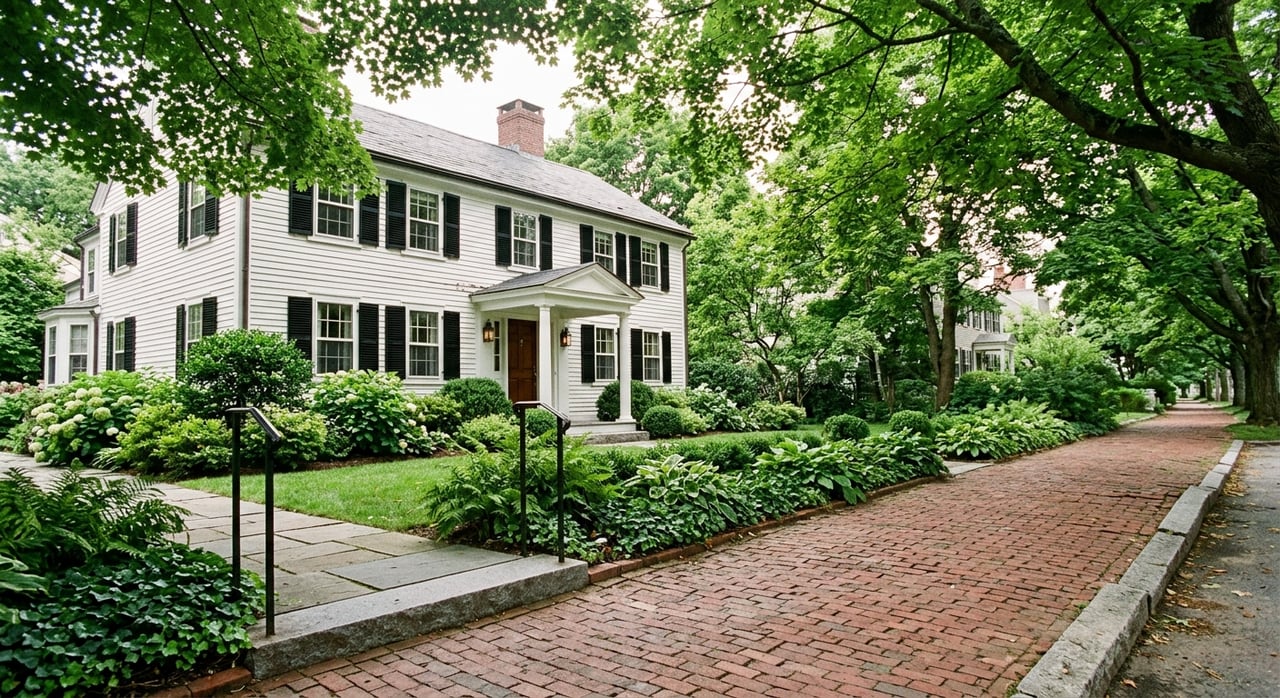
Worthington was founded in 1803, and the city describes it as one of the Midwest’s first planned communities. That history still shows up in the way the community is laid out today, especially around the downtown core, brick sidewalks, and the Village Green. You are not just moving into a suburb with an older section. You are stepping into a place where the historic center still plays a major role in everyday life.
The city’s official history of Worthington highlights a long tradition of strolling downtown streets and gathering around shared public spaces. That matters if you care about atmosphere as much as square footage. In many suburbs, the commercial center feels separate from residential life. In Worthington, the historic core helps tie everything together.
For many people, the biggest draw is Old Worthington’s walkable layout. The Village Green sits at the center of downtown as a 3.5-acre public space with brick walkways, a historic setting, and regular community use throughout the year. It hosts festivals, concerts, and the summer farmers market, giving you a central gathering place that feels active instead of decorative.
The Old Worthington Historic District is also listed on the National Register of Historic Places and includes more than 450 properties. That gives the area a sense of continuity that many newer communities cannot replicate. If you enjoy neighborhoods with preserved architecture, mature streetscapes, and a recognizable town center, Worthington offers that in a meaningful way.
The city has also invested in safer pedestrian movement downtown. Worthington added pedestrian hybrid beacons in Old Worthington at Stafford Avenue, Village Green Drive South, and Short Street to improve crossings. Those details may sound small, but they support the kind of everyday convenience that makes walking more realistic.
A walkable area works best when daily destinations are close together, and Worthington does this well. Much of the dining activity is centered around High Street and the Village Green rather than spread out over a wide area. That concentration helps create a downtown that feels usable, whether you are meeting friends for dinner, grabbing coffee, or stopping by the market.
The Worthington farmers market is a major local draw. According to the Worthington Partnership, it is the largest farmers market in Central Ohio, with nearly 100 vendors and both winter and summer market formats. For residents, that adds a steady rhythm to the week and gives downtown a strong sense of local activity.
Worthington’s dining mix also adds variety without making the district feel overwhelming. The local directory includes neighborhood favorites and a range of cuisines, including places such as The Whitney House, J. Liu, Kittie’s, and Everest Cuisine. The city’s downtown DORA district and pedestrian improvements also support outdoor dining and a more relaxed street experience.
Even if you love walkability, most buyers still need to think about commuting and regional access. Worthington works well for that balance. You can enjoy a historic, pedestrian-friendly downtown while still staying connected to larger shopping, office, and employment areas.
For public transit users or anyone who wants more flexibility, COTA Line 102 runs north on High Street to historic downtown Worthington and Polaris Fashion Place. That gives you a direct connection between Old Worthington and one of the region’s major retail and employment nodes. It is not the same as living car-free in a larger city, but it does make a more car-light routine possible for some residents.
Worthington also benefits from access to the Olentangy Parklands and the larger regional trail system. That expands the practical value of the area beyond the downtown grid. If you like combining neighborhood living with trails, parks, and outdoor movement, that is a meaningful part of the lifestyle here.
Worthington’s housing stock reflects its long history. According to the city’s housing infographic, 80% of housing units were single-family and 20% were multi-family in 2021, and 70% of units were built before 1970. That tells you a lot about the local feel. This is an established housing market with a strong base of older detached homes rather than a suburb defined by large-scale new construction.
For buyers, that often means more variety in lot sizes, architectural styles, and neighborhood patterns. It can also mean balancing charm with updates, since older homes may differ widely in condition and renovation level. If you are comparing Worthington to newer suburbs, this is one of the clearest distinctions.
The same city housing data reports a 2023 median home sales price of $420,000. Census QuickFacts cited in the infographic also notes an owner-occupied rate of 82.6%, a median owner-occupied value of $440,500, a median gross rent of $1,232, and 92.6% of residents living in the same house one year earlier. Taken together, those numbers point to a stable, established market where many residents stay put.
While Worthington is known for older homes and its historic center, that is not the full housing story. The city’s planning materials show ongoing interest in adding more housing formats along key corridors. That includes discussion around townhomes, apartments, condominiums, and mixed-use development in select areas.
For example, the 1033 High Street proposal included a mix of single-family homes, multi-family townhomes, apartments, commercial space, and medical offices. This does not mean Worthington is becoming a new-construction-heavy market. It does show that buyers may see a broader range of housing options over time, especially near redevelopment zones and mixed-use corridors.
That can be helpful if you want the Worthington location and community feel but prefer a lower-maintenance home style. It also matters for sellers and property owners tracking how the local housing mix may evolve in the years ahead.
For buyers comparing suburbs, school access is often part of the conversation because it affects daily routines, location choices, and long-term planning. According to Worthington City Schools, the district serves about 10,700 students with 1,360 staff across 21 academic programs and schools. The district highlights AP and IB options, specialized offerings such as Phoenix Middle School, and all-day kindergarten across elementary schools.
The district also includes a broad mix of school sites throughout the community. The school selection information lists elementary, middle, and high school options across the district, including Thomas Worthington and Worthington Kilbourne at the high school level. If you are planning a move, it is helpful to review school assignment and enrollment details directly as part of your home search.
Beyond schools, Worthington’s broader infrastructure supports everyday convenience. You have an established downtown, public gathering spaces, transit access, and redevelopment aimed at expanding services and connectivity. That combination helps explain why the area continues to appeal to both longtime residents and buyers relocating within the Columbus metro.
One reason Worthington stays practical is that it is not relying only on its historic core. The city’s planning documents identify Wilson Bridge Road as a major economic center, with redevelopment intended to support mixed use, economic vitality, and better pedestrian and bicycle connections. That gives residents access to a second activity corridor beyond downtown.
Projects in and around Worthington Gateway and the High North redevelopment add to that story. These areas are planned to include combinations of retail, restaurants, services, office space, entertainment, and some residential use. For residents, that can translate into more nearby amenities and a stronger connection between housing and employment activity.
The city also adopted the Northeast Area Plan, which reframes a former industrial area as an Eco Innovation District and includes several additional corridors. The bigger takeaway is simple: Worthington offers historic charm, but it also has a forward-looking economic and land-use strategy. That mix is part of what keeps the area relevant for today’s buyers.
Worthington can appeal to several types of buyers, but it tends to stand out most for people who want character and convenience in the same place. If you value a recognizable downtown, local dining, public green space, and a housing market with established roots, it deserves a close look. It can also work well if you want access to Columbus-area job centers without giving up neighborhood identity.
You may especially appreciate Worthington if you are looking for:
Every buyer’s priorities are different, of course. Some people will focus on historic homes near Old Worthington, while others may be more interested in newer or lower-maintenance options near evolving corridors. The key is understanding how each part of Worthington supports the lifestyle you want.
If you are thinking about moving to Worthington or comparing it with other Columbus-area neighborhoods, working with a local team can help you narrow in on the right fit. Michael Bradley Gibson offers practical neighborhood insight, clear market guidance, and hands-on support whether you are buying, selling, or exploring your next move.
Stay up to date on the latest real estate trends.
Work with a dedicated team committed to delivering exceptional results. We provide trusted guidance, clear communication, and a tailored experience from start to finish.
GIBSON GRP
545 Metro Pl S, #100 Dublin, OH 43017 REAL