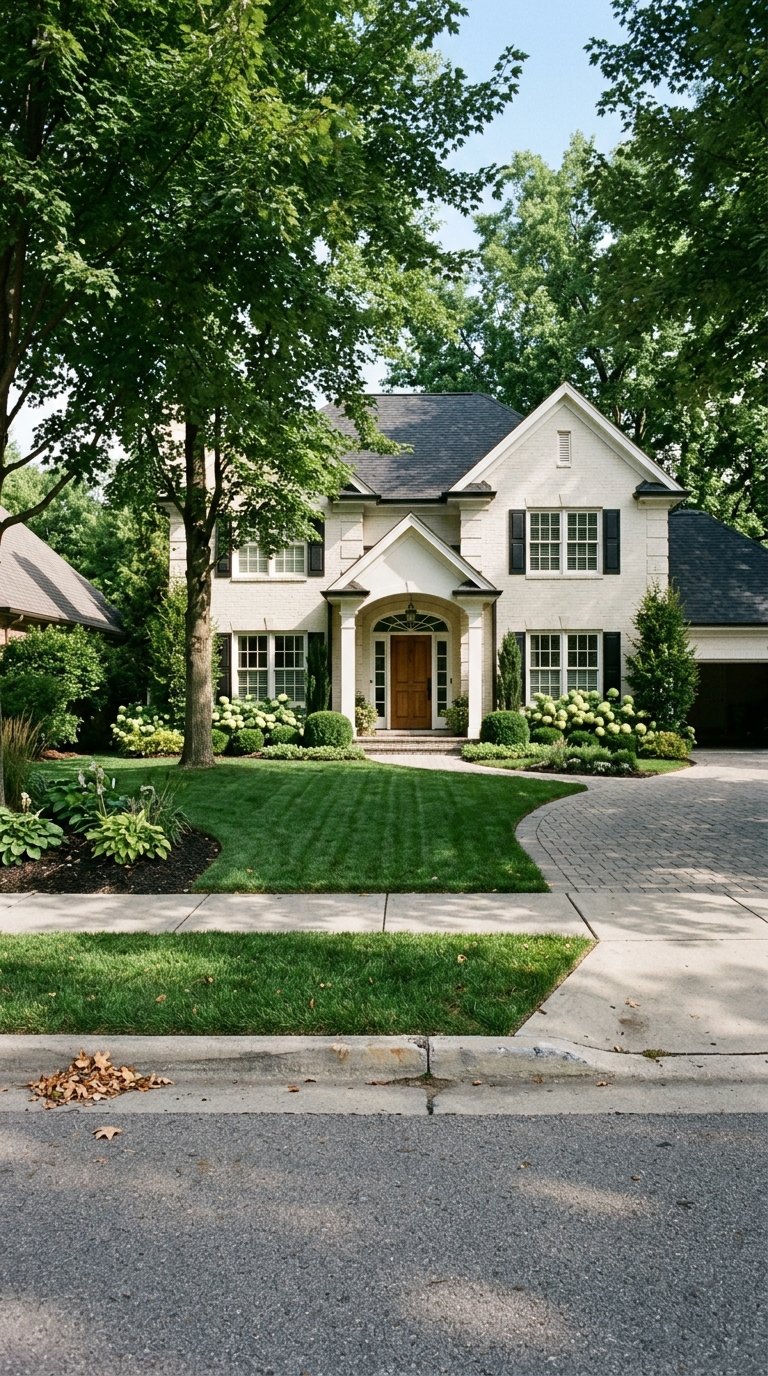
Powell HOA Communities: Fees, Rules, and Amenities
May 7, 2026
May 7, 2026
Wondering whether a Powell HOA is a simple annual fee or a much bigger part of your ownership experience? That is a smart question to ask before you fall in love with a home. In Powell, HOA costs, amenities, and rules can vary quite a bit from one community to the next, and understanding those differences can help you avoid surprises. If you are comparing neighborhoods, this guide will help you make sense of what HOA and condo living can really look like in Powell. Let’s dive in.
Powell’s HOA landscape is a mix of planned communities and condo-style associations. Some neighborhoods have lighter-touch annual dues that mainly support shared entry features, open space, or basic common-area upkeep. Others have more robust amenity packages or broader maintenance responsibilities that shape your day-to-day ownership experience.
That distinction matters because Ohio treats planned communities and condominiums under separate legal frameworks. In practical terms, that means the fee structure, maintenance scope, records, and rules may look very different depending on the type of community you buy into.
It is also important to know that a Powell mailing address does not always mean the home is inside the City of Powell. Some communities with Powell addresses are actually in Liberty Township or Concord Township, so buyers should verify the actual jurisdiction early in the process.
Powell is known for parks, trails, and well-kept neighborhoods, so it makes sense that many local communities emphasize shared outdoor spaces and amenity-driven living. Still, the amenities you see in one neighborhood may be very different from what you find a few streets away.
Some communities offer a traditional clubhouse-and-pool setup. Others focus more on green space, ponds, walking paths, or lower-maintenance living. The key is to confirm what is truly included with ownership and what is separate.
Wedgewood is one of the clearest examples of an amenity-rich single-family community in the Powell area. The association highlights a clubhouse, swimming pool, tennis courts, pickleball courts, and a nature trail.
That said, not every nearby feature is part of the HOA package. Wedgewood also notes that its golf and country club is a private facility, which is a good reminder that a golf-course setting does not automatically mean golf access comes with your dues.
Some Powell communities put less emphasis on resort-style amenities and more on open space and connectivity. Grandshire, for example, emphasizes multi-use trails and walkability to downtown Powell.
Liberty Lakes is another useful example. Its association responsibilities center more on maintaining commonly owned tracts, entry landscaping, lake maintenance, and common-area walkways rather than offering a long list of recreational amenities.
If you are looking at condos, the amenity mix often looks different. The Orchards at Big Bear Farms includes a clubhouse, meeting room, library, exercise room, pool, open green spaces, orchard, wooded areas, and natural vegetative borders.
The Village at Scioto Reserve also reflects a condo-style model, with green space, ponds, a clubhouse, and a pool. These kinds of communities may offer more shared maintenance and more centralized management, but they also tend to come with a different fee structure.
One of the biggest mistakes buyers make is comparing neighborhoods by fee alone. In Powell, annual HOA dues and monthly condo assessments can be very different, and the number itself does not tell you what is covered.
For example, Grandshire lists annual dues of $275 plus a $100 transfer fee at closing. Wedgewood’s 2026 annual dues are $550, while Liberty Lakes’ 2024 materials imply about $400 per home annually.
Condo assessments can be much higher because they often cover a broader maintenance scope. The Village at Scioto Reserve lists a $478 monthly condo assessment, which is a very different ownership model than a neighborhood with a smaller annual HOA payment.
In Powell communities, fees often fall into three broad categories: annual HOA dues, monthly condo assessments, and one-time or occasional charges. Those extra charges can include transfer fees, late fees, amenity rental fees, keycard fees, or special assessments.
What your fee covers depends on the community documents. In some neighborhoods, the fee may mostly support entrance features, green space, stormwater areas, lakes, or walkways. In others, it may also include pool operations, clubhouse upkeep, landscaping, snow removal, lighting, or professional management.
An Epcon brochure for The Courtyards of Hyatts Village shows how broad that coverage can be in some settings. Services may include lawn mowing, fertilization, weed control, landscape maintenance, common-area lighting, snow removal from streets and select areas, amenity maintenance and repair, and on the condominium side, items like common-element insurance, pond maintenance, and street and sidewalk maintenance.
The most important takeaway is simple: the fee amount matters, but the maintenance scope matters just as much. A lower fee may mean fewer services. A higher fee may reflect more amenities, more exterior maintenance, or both.
If you are buying in an HOA, the rules are not just paperwork. They can directly affect what you can build, store, park, or change once you own the home.
That is why buyers should read the governing documents, not just the listing description. Restrictions may address fences, pools, parking, signs, trash storage, landscaping, mailboxes, and shared amenity use.
Grandshire provides a clear example of why this matters. Its homebuyer information notes a fence prohibition except for temporary garden fencing in certain months or as otherwise allowed by city code.
Liberty Lakes also has detailed standards. Its declaration bars chain-link and plastic fencing and does not allow above-ground pools.
Rules can also affect whether you can use the amenities you are paying for. In Wedgewood, delinquent accounts lose pool passes, and the clubhouse is also unavailable to owners who are not current on their accounts.
That may not sound like a major detail during a home search, but it shows how enforcement policies can shape your actual experience in the community. It is worth asking how rules are enforced and whether there are any recurring owner concerns noted in meeting materials.
Ohio law gives association boards a broad operating framework, and that has real implications for buyers. Planned-community boards must adopt annual budgets and reserve funding unless owners waive the reserve requirement, and associations are required to keep books and records.
Owners may inspect many association records, subject to reasonable limits and copying fees. For buyers, that makes document review more than a formality. It is one of the best ways to understand how the association is run before you commit.
Ohio law also allows associations to collect assessments and use enforcement tools for unpaid charges. Depending on the situation, that can include interest, enforcement assessments, and liens.
Before you buy in a Powell HOA or condo community, ask for more than the monthly or annual fee. You want a clear picture of both cost and lifestyle.
Here are the most important items to review:
If you are comparing communities, it can help to think in terms of ownership style. Are you buying into a neighborhood with light common maintenance, or are you choosing a more managed environment with broader services and more rules?
When you narrow your search, compare communities using the same checklist each time. That can keep you from overvaluing flashy amenities or overlooking restrictions that may matter more once you move in.
| Community example | Fee style | Notable details |
|---|---|---|
| Grandshire | Annual HOA dues | Trails, walkability, $275 annual dues, $100 transfer fee, fence restrictions |
| Wedgewood | Annual HOA dues | Pool, clubhouse, tennis, pickleball, nature trail, $550 annual dues for 2026, golf is private |
| Liberty Lakes | Annual HOA dues | Open space, lake and walkway maintenance, about $400 per home based on 2024 materials |
| Village at Scioto Reserve | Monthly condo assessment | Clubhouse, pool, ponds, green space, $478 monthly condo assessment |
| Orchards at Big Bear Farms | Condo-style association | Clubhouse, pool, exercise room, library, open space, orchard, wooded areas |
This kind of side-by-side view makes it easier to ask the right next question: What do I get for this fee, and what tradeoffs come with it?
In a market like Powell, neighborhood details can shape both your budget and your day-to-day life. Two homes with similar price points may come with very different dues, maintenance obligations, amenity access, and restrictions.
That is why local, neighborhood-level research matters. If you are buying in Powell, you want to know not just what the home looks like today, but how the association works after closing.
If you want help comparing HOA and condo communities in Powell, Michael Bradley Gibson can help you sort through the fees, documents, and neighborhood differences so you can move forward with clarity.
Stay up to date on the latest real estate trends.
Work with a dedicated team committed to delivering exceptional results. We provide trusted guidance, clear communication, and a tailored experience from start to finish.
GIBSON GRP
545 Metro Pl S, #100 Dublin, OH 43017 REAL