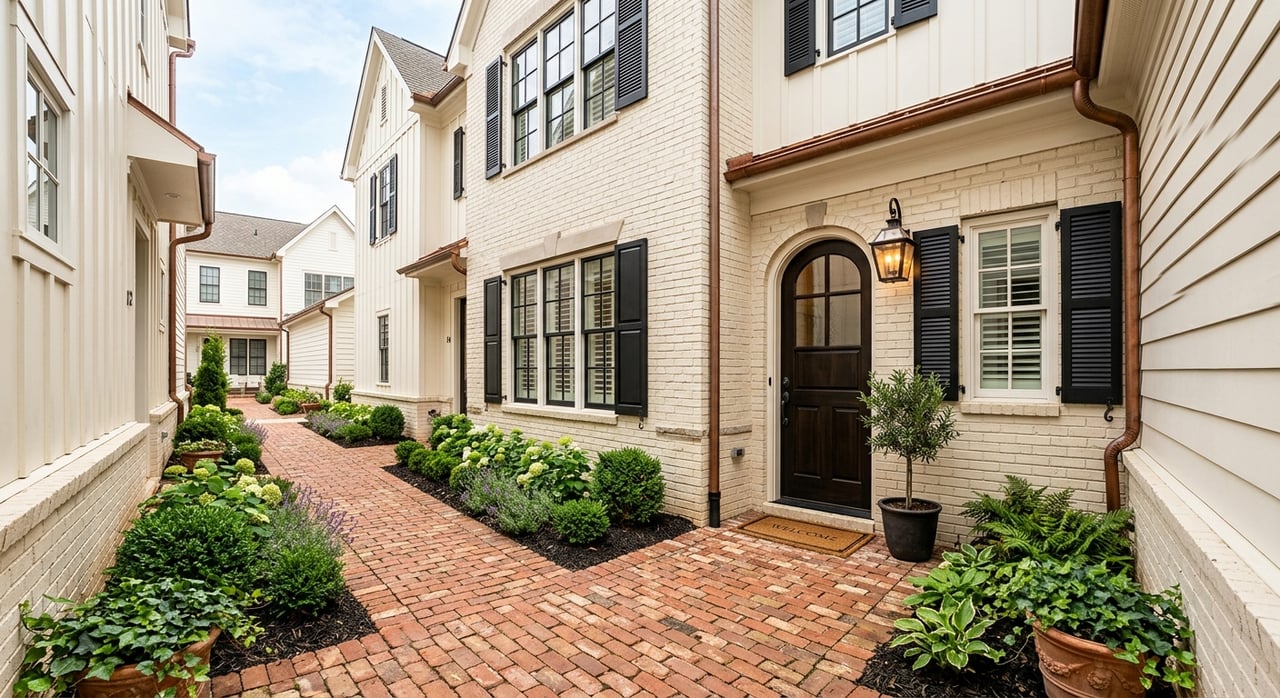
Downsizing In Worthington: Choosing Between Condos And Houses
April 9, 2026
April 9, 2026
Thinking about downsizing in Worthington, but not sure whether a condo or a house makes more sense? You are not alone. In a city where many homes are older, inventory is tight, and more residents are weighing low-maintenance living, choosing the right next step takes more than comparing square footage. This guide will help you sort through the real trade-offs so you can make a confident move in Worthington. Let’s dive in.
Downsizing in Worthington is not just about moving into a smaller home. It is also about deciding how you want to live day to day. According to the U.S. Census QuickFacts for Worthington, the city has a high owner-occupied housing rate of 82.6%, an estimated 14,649 residents, and 21.9% of residents are age 65 or older.
The local housing stock also shapes the decision. Worthington’s 2024 housing infographic says 80% of housing units are single-family, 20% are multifamily, and 70% were built before 1970. That means a smaller house may still come with older systems and more upkeep than you expect, while condos and townhomes may offer a different maintenance model altogether.
If you are deciding between a condo and a smaller single-family home, the biggest difference usually comes down to maintenance, monthly costs, and control. Both can work well for downsizing, but they fit different priorities.
| Option | Main advantage | Main trade-off |
|---|---|---|
| Condo | Less exterior maintenance | HOA dues, shared rules, association review |
| Smaller house | More privacy and control | More upkeep and repair responsibility |
| Townhome | Middle ground between both | Ownership details vary by community |
Townhomes can be a useful middle option. Fannie Mae explains that townhomes may share walls or may be detached, so the exact balance of privacy, upkeep, and association involvement depends on the specific property and governing documents.
For many downsizers, the biggest draw of a condo is simple: less to maintain. Fannie Mae notes that condo owners jointly own exterior property and common areas, and monthly condo fees often cover exterior repairs, common-area maintenance, water, sewer, trash, amenity upkeep, and sometimes reserves or insurance.
That setup can be especially attractive if you want to spend less time on yard work, exterior repairs, or seasonal maintenance. Instead of managing every part of a detached home and lot yourself, you are sharing those responsibilities through the association.
In Worthington, that lifestyle can pair well with the city’s focus on active living and aging in place. The city says it has an Age-Friendly Action Plan and is part of the AARP Network of Age-Friendly Communities, with local resources like the Community Center and Griswold Center available for recreation and programming.
A condo can simplify life, but you need to look beyond the unit itself. The association’s finances, rules, and long-term planning matter just as much as the floor plan.
The Consumer Financial Protection Bureau says HOA or condo dues are usually separate from your mortgage payment and can range from a few hundred dollars a month to more than $1,000 a month. Those dues need to fit your monthly budget from day one.
You will also want to review association documents carefully. Fannie Mae recommends asking about reserves, special assessments, board elections, permitted changes to the unit, legal rights under the bylaws, and what the master insurance policy covers.
These questions matter in Ohio as well. Under Ohio condominium law, associations must adopt annual budgets, collect assessments for common expenses, and maintain reserves unless waived under the statute. That legal framework makes document review a key part of condo due diligence.
A smaller detached house can make sense if you want more independence. You generally avoid shared governance, and you have more direct control over your property, exterior changes, and daily use of the home.
That said, downsizing into a house does not always mean downsizing your responsibilities by much. In Worthington, where 70% of housing units were built before 1970, even a smaller home may come with older roofs, windows, HVAC systems, plumbing, or electrical components.
This is where inspection matters. If you are leaning toward a smaller house, a thorough home inspection can help you understand the condition of structural and mechanical systems before you commit. That is especially important when the goal of downsizing is to simplify your life, not trade one maintenance list for another.
For many buyers, the right downsizing move is not just about the property. It is about staying connected to the parts of Worthington you enjoy most.
The city describes Worthington as one of the Midwest’s first planned communities, with brick sidewalks leading to the Village Green. The Village Green is a 3.5-acre downtown park surrounded by churches, commercial buildings, and restaurants, and the Old Worthington Library sits just one block north of High Street and US-23/OH-161 with COTA stops in front.
If walkability and convenience matter to you, location may be just as important as property type. Worthington also highlights Stroll & Roll, a 1.5-mile walk and bike route with stops that include Old Worthington Library, Pingree Park, East Granville Road Park, and the Griswold Center. McCord Park, next to the Community Center, also includes a half-mile paved multipurpose trail.
A condo near the core may give you easier access to these amenities with less upkeep. A small house may give you more privacy and flexibility, but you may need to balance that against maintenance and location.
When you downsize, the monthly payment is only part of the picture. In Worthington, local planning materials show that residents’ top housing concerns include price, property taxes, and low inventory, according to the city’s housing infographic.
That means your comparison should include more than the listing price. For a condo, factor in HOA dues, what those dues cover, and the chance of future special assessments. For a house, factor in repairs, exterior maintenance, utilities, and the age of major systems.
The market also remains competitive. Realtor.com’s Worthington market data reported a March 2026 median listing price of $479,450, 25 active listings, and a median of 34 days on market. While different market sources use different methods, the broader takeaway is clear: choices can be limited, so it helps to define your priorities early.
If you are torn between a condo and a house, start with the lifestyle questions before the property tour questions. Think about how you want your next chapter to feel.
Ask yourself:
In Worthington, there is no one-size-fits-all answer. A condo may be the right move if convenience, shared maintenance, and location are top priorities. A smaller house may be better if you value autonomy and want to avoid association rules.
The best downsizing decision is the one that supports how you actually want to live. In Worthington, that means weighing property type against the realities of an older housing stock, a competitive market, and the practical benefits of being close to community amenities.
If you want help comparing condos, townhomes, and smaller houses in Worthington, talk with Michael Bradley Gibson. You will get practical, local guidance focused on the trade-offs that matter most to your next move.
Stay up to date on the latest real estate trends.
Work with a dedicated team committed to delivering exceptional results. We provide trusted guidance, clear communication, and a tailored experience from start to finish.
GIBSON GRP
545 Metro Pl S, #100 Dublin, OH 43017 REAL